
Fighting The System: The Rise Of Anonymous
Disclosure: This post contains affiliate links. If you click through and make a purchase, We may earn a commission at no additional cost to you.




Anonymous isn’t your typical group with a dedicated leader or a clear membership list. It’s like a constantly evolving collective that emerged from the internet’s corners, driven by a mix of curiosity and a hunger for justice. You won’t find a standardized set of beliefs or missions here; The rise of Anonymous is more about a shared mindset of fighting against censorship, corruption, and standing up for civil liberties.
The origins of Anonymous are rooted in places like imageboards where internet culture thrived, moving from simple pranks to global activism. This transformation mirrors how the rise of Anonymous went from a few digital tricksters to a movement with a wider purpose. It’s fascinating to see how this scene shifted into a platform that aims to hold powerful institutions accountable, reflecting growing disillusionment with systems of authority.
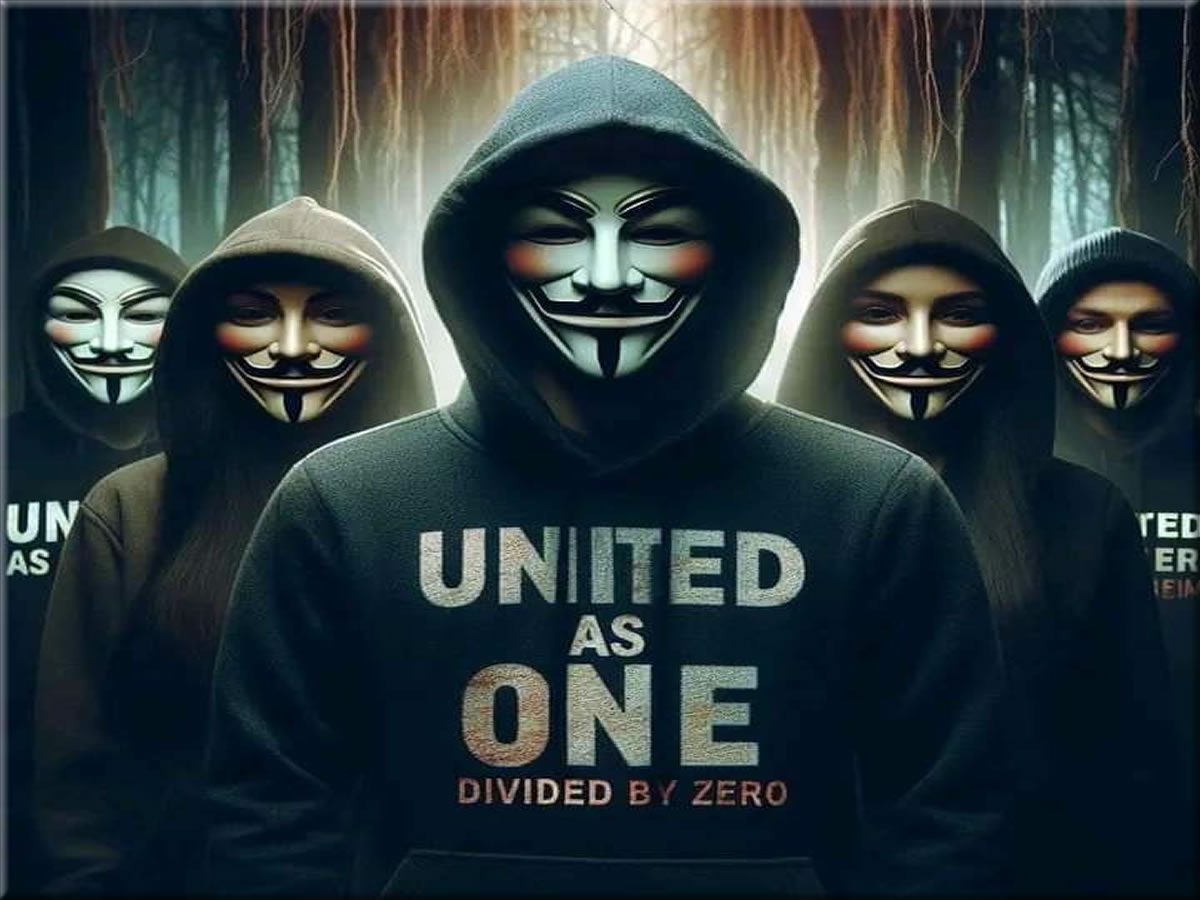
The Guy Fawkes mask has become the defining symbol of this movement. Popping up first in the movie “V for Vendetta,” it’s now synonymous with anonymous protests and discontent against the status quo. The mask offers anonymity and unification, allowing voices to rise together without fear of immediate recognition. It’s a bit ironic, though, considering that the mask still links back to commercial entities profiting off its sales even as it stands for rebellion.
One big question around Anonymous is why people are drawn to be part of something that hides their individual identities yet offers a collective voice. The rise of Anonymous made this duality appealing, especially in the age of digital surveillance where personal safety online can be a concern.
How the Rise of Anonymous Turned Digital Dissent Into Global Activism
Anonymous didn’t appear out of nowhere. Its rise was fueled by distrust in established institutions and a sense of betrayal from those in power. As more people got access to the internet, they realized how information could be both a tool and a weapon. The movement tapped into this digital landscape where online censorship and perceived abuses of power were igniting public outrage.
Early campaigns like those involving the Church of Scientology put Anonymous on the map. These actions were more than mere protests; they challenged organizations considered untouchable by everyday means. The WikiLeaks support also highlighted Anonymous’s willingness to fight for transparency, even when this bumped against legal controversies and ethical dilemmas.
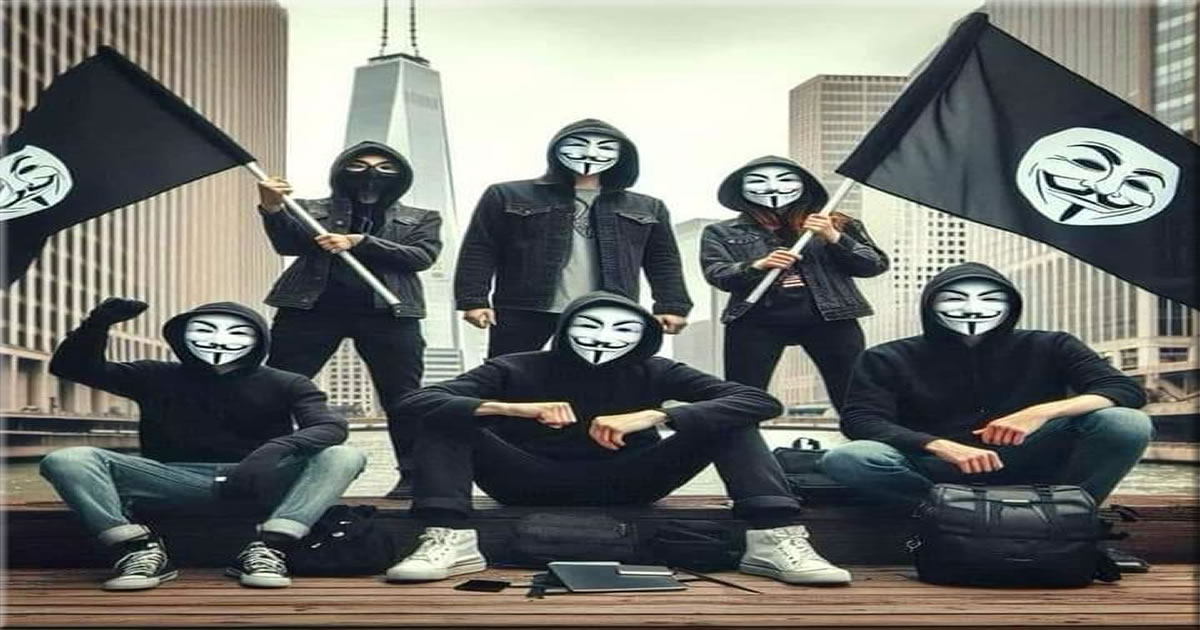
Anonymous’s tactics range widely—from awareness campaigns to actions pushing legal boundaries. This could mean anything from amplifying messages on social media to conducting digital sit-ins or even face allegations of hacking. Not all their actions were legal or without reproach, so it’s crucial to understand the line between advocating for a cause and engaging in activities that could have serious consequences.
It’s easy to romanticize some of these actions, but perspective is key. Digital advocacy takes many forms, but the same tools can achieve very different goals. Civil disobedience online can make a statement, but unauthorized access and doxxing raise ethical and legal concerns that can’t be ignored.
One of the interesting facets of Anonymous is its leaderless structure. This gives it incredible flexibility and speed, allowing operations to spring up or shut down quickly. However, this same structure creates challenges in accountability and consistency. So while campaigns can gain momentum fast, the lack of verification or clarified goals sometimes means not every effort ends with clear success.
Inside the Anonymous Movement’s Global Fight for Digital and Human Rights
Anonymous has woven itself into the fabric of global human rights activism. Its campaigns have often paralleled significant international movements, taking up causes like freedom of expression, resistance to surveillance, and standing against government repression. This connection shows how important digital platforms have become in elevating voices that might otherwise be muffled.
What makes the rise of Anonymous particularly intriguing is its borderless nature. The internet allows activists from different parts of the world to connect without a centralized command or face-to-face meetings. This has turned digital activism into a transnational endeavor, where messages can cross boundaries as seamlessly as data itself.

This ultimate three-eBook collection delivers profound insights to awaken your consciousness, elevate your mindset and and enrich your soul.
However, this ability to connect people from different backgrounds brings both opportunities and challenges. The amplification of protest voices can be empowering, but it also comes with risks—misinformation can spread, surveillance can increase, and personal data might be exposed. It’s a delicate balance between elevating important causes and protecting the individuals who get involved.
Speaking with digital-rights researchers, journalists, and communities affected by these campaigns can offer a clearer picture of their impact. It’s crucial to go beyond the Anonymous self-description and look at the real-world effects of their actions—both positive and negative.
Local context plays a critical role in the outcomes of these campaigns. What’s celebrated as a victory in one country might pose significant risks in another, where the legal and social climates are different. Each campaign carries the weight of its potential repercussions, making the role of informed advocacy more important than ever before.
The Guy Fawkes Mask at Human Rights Protests: Symbol, Solidarity, and Controversy
The Guy Fawkes mask has become a universal sight at human rights protests, standing out as a symbol of defiance and shared resolve. Originating from popular culture, it’s remarkable how this mask has transformed from a mere movie prop into a potent emblem of resistance against oppressive systems.
The adoption of this mask is about more than its theatrical roots; it’s a beacon of unity among protestors who may all stand for different causes. Wearing the mask offers a level of anonymity that can be crucial for participants worried about retaliation—it’s about safety in numbers and freedom from immediate identification.
However, the use of the mask brings practical and ethical challenges. While it guards the identity of protesters, ensuring their safety in volatile situations, it also complicates accountability. In some areas, local laws view mask-wearing in public gatherings unfavorably, raising legal concerns for participants.
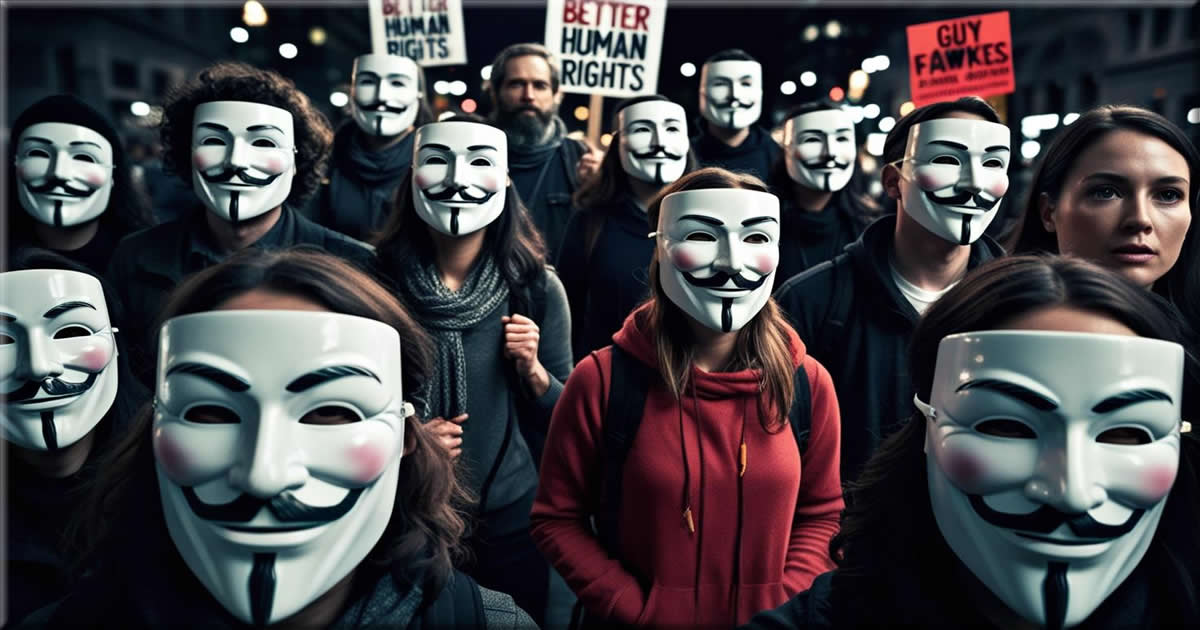
It’s a common misconception that everyone donning the Guy Fawkes mask is part of Anonymous. In reality, wearing the mask can symbolize solidarity with broader messages of anti-authoritarian protest without involvement in the movement’s specific activities or tactics.
Images of crowds in these masks have gone viral, embedding the rise of Anonymous into mainstream culture. Yet this also flattens a wide array of political objectives into one oversimplified iconography, sometimes overshadowing the unique grievances of each movement represented in that sea of faces.
Navigating the cultural significance of the Guy Fawkes mask involves supporting its use wisely. This means recognizing its power to unify while also respecting the complexities it introduces both legally and ethically. Approaching its use with awareness helps ensure that this symbol continues to represent meaningful resistance rather than empty imagery.
Understanding the Impact of Anonymous on Modern Society
Anonymous has undeniably shaped discussions around privacy, cybersecurity, and the balance of power in both digital and physical worlds. The movement has thrust these issues into the spotlight, urging governments, corporations, and the public to reconsider how information is controlled and shared.
One of the more notable effects of the rise of Anonymous is how it encouraged broad participation in digital activism. By making collective action visible online, Anonymous showed the masses worldwide that voices could reach far beyond local borders, influencing global narratives about rights and freedoms.
It’s important to temper this achievement with a critical eye. While some campaigns have spotlighted critical issues, there have also been unintended consequences. Misinformation can spread quickly, and actions can disrupt not just rogue institutions but also innocent parties caught in the crossfire. Privacy violations and collateral damage have marred some operations, showing that even well-intentioned activism can misfire.
Break the illusion and awaken your true potential. Ethereal University offers the ultimate blueprint to reprogram your mind, master your reality, and finally reclaim total control over your life.
The broader legacy of Anonymous lies in its demonstration of how networked media can drive activist movements. Meme-driven actions and spontaneous coordination have become part of modern protest tactics, illustrating how digital platforms can amplify causes and engage a global audience swiftly.
Documenting this impact requires tangible evidence, such as policy changes, media coverage, and testimonial accounts from those directly affected by Anonymous campaigns. By grounding an understanding of its influence in concrete examples, we gain a clearer picture of how deeply these digital actions resonate through society.
Being informed about Anonymous means looking beyond the headlines to understand the nuances of its methodologies and impacts. This includes recognizing both the movement’s success in amplifying important discussions and the complexities that arise when digital activism intersects with legal systems and global-scale reach.
Why Anonymous Remains a Threat to Tyranny—and a Test of Democratic Accountability
Anonymous remains a potent threat to tyranny because its decentralized, leaderless structure allows anyone with a computer and a cause to strike against oppressive regimes, exposing state secrets and bypassing government censorship with complete anonymity. However, this same lack of hierarchy poses a profound test for democratic accountability; without a centralized leadership or a transparent agenda, the collective operates entirely outside the boundaries of international law and democratic oversight.
While their digital vigilante tactics can successfully dismantle autocratic propaganda and champion free speech, they also create a dangerous precedent where accountability is non-existent, leaving democracies to grapple with the fine line between cyber-activism and unchecked digital lawlessness. The movement leverages the fluidity of digital networks to make it harder for governments and corporations to censor information or conceal abuses.
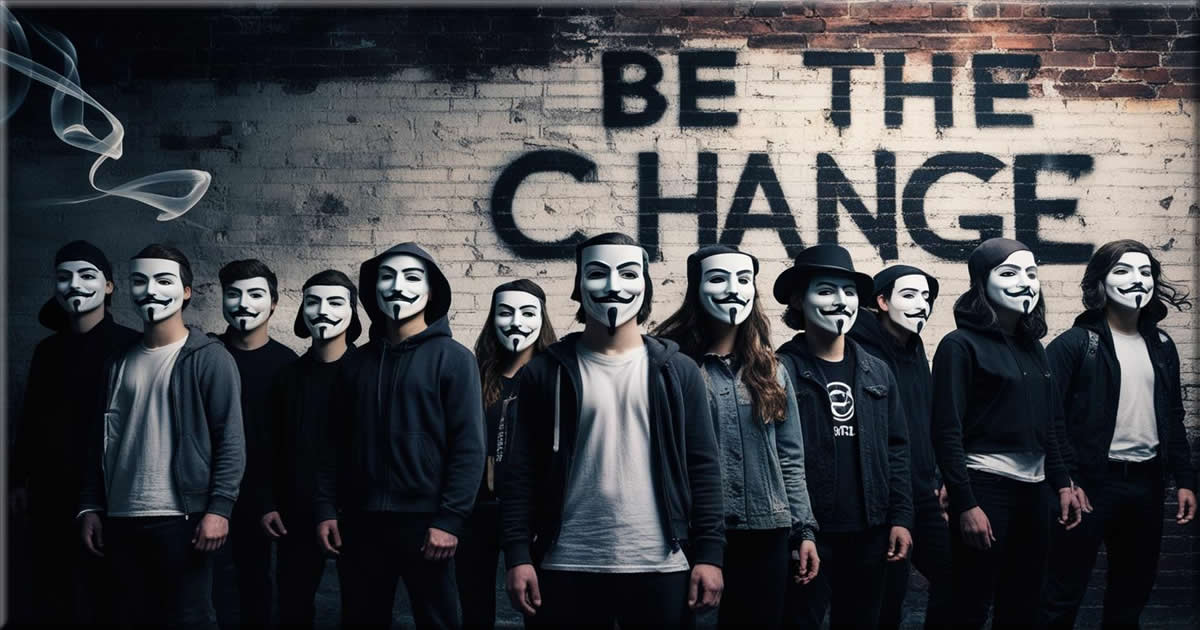
Understanding how to support freedom responsibly is crucial, especially in a landscape where digital rights are increasingly crucial. It’s about verifying claims, safeguarding personal data, following the laws of your area, and boosting voices from groups directly experiencing oppression. The ability to sift through noise and falsehoods is critical as movements grow ever more complex and interconnected.
Discover Our Featured Articles: Reality Manipulation: How Perception Is Controlled & Distorted
Ultimately, looking at the future, the rise of anonymous-style activism faces challenges and opportunities. AI advancements, increased surveillance capabilities, and stricter internet laws present new hurdles and opportunities for both activists and repressive regimes. These developments demand nuanced approaches that respect fundamental rights while ensuring accountability and truthfulness.
This topic is part of the broader Reality Manipulation framework, where societal constructs, authority systems, and reality manipulation are explored in depth.
Related Topics