
The Lost World Of Atlantis: Myts And Legends
Disclosure: This post contains affiliate links. If you click through and make a purchase, We may earn a commission at no additional cost to you.




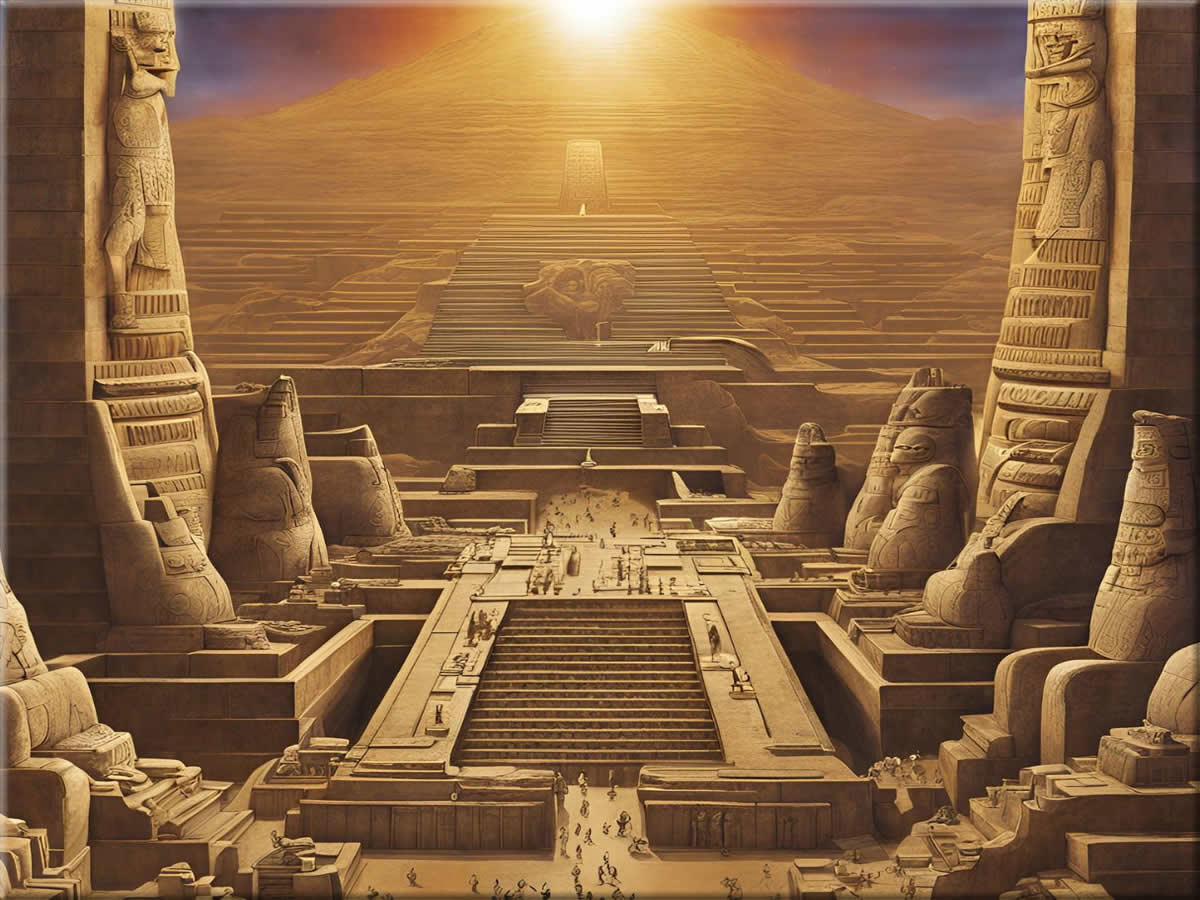
The tale of Atlantis goes back to the works of the ancient philosopher Plato. Over 2,000 years ago, he painted a picture of this grand, advanced civilization that allegedly met its doom in a single day and night of misfortune. This narrative has been intriguing storytellers, historians, and the curious alike for centuries. While some argue that Plato’s story was purely allegorical, aimed at conveying philosophical truths, others insist it holds some roots in genuine historical events.
Various ancient cultures carry their own tales that resemble the Atlantis legend, each adding unique elements and flair. From the lost Maya cities swallowed by jungles to the stories of submerged lands in Nordic myths, the idea of a lost civilization has captivated diverse societies worldwide. These stories share a common thread—a golden age civilization disappearing under mysterious circumstances. It’s fascinating how these parallels suggest deep-seated human intrigue about utopias and their catastrophic downfalls.
So why does the legend of Atlantis linger so strongly in our collective consciousness? Perhaps it serves as a warning about arrogance and technological hubris, or it could just be a tale of adventure and mystery that the human mind finds endlessly compelling. Regardless, the ongoing interest in Atlantis exemplifies our love for stories that challenge reality and push the boundaries of fact and fiction. This enduring fascination keeps Atlantis alive in our cultural imagination, urging us to continue the search for truth amidst mythology.
Theories About Atlantis’ Location and Dwellers
Digging into the mystery of where Atlantis might have been reveals a patchwork of scientific hypotheses and speculative myths. Many enthusiasts and scholars have searched high and low, from the depths of the Mediterranean to the far reaches of the Atlantic Ocean, piecing together clues that might lead to Atlantis’ true whereabouts.
One popular theory highlights the Greek island of Santorini, once a thriving hub disfigured by a massive volcanic eruption, prompting speculation that this could be the real-life basis for the Atlantis tale. Others argue different sites across the globe, like the Azores or parts of the Caribbean, were in some distant past home to the fabled city. Yet, despite many exciting finds, physical evidence tying Atlantis to a precise location remains elusive.
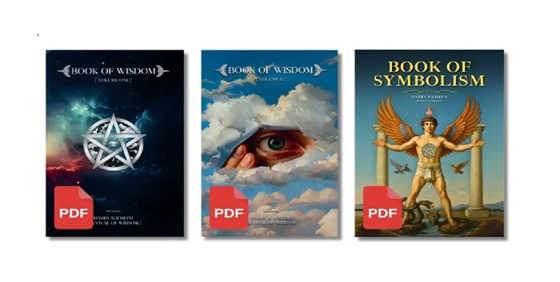
This ultimate three-eBook collection delivers profound insights to awaken your consciousness, elevate your mindset and and enrich your soul.
Beyond the geographical chase, descriptions of Atlantis’ inhabitants add a layer of cultural mystery and allure. Described by Plato as morally evolved beings ruling over a technologically advanced society, these characters fuel speculation about humanity’s potential evolution and the perils of ignoring moral and environmental responsibilities. Such ideas continue to inspire various cultural representations, from ancient artworks to modern media, each interpretation bringing its own flavor to the legendary dwellers of Atlantis.
Despite various imaginative and scientific efforts, Atlantis remains as much a riddle as a narrative exploration of what humans often ponder about our past and future. This mix of historical fact with fantasy highlights how narratives about lost places can help us reflect on the present while endlessly feeding the human spirit of exploration and inquiry.
Archaeological Pursuits: Unearthing the Truth
The ongoing quest for Atlantis has ignited numerous archaeological expeditions aimed at uncovering tangible proof of this mysterious civilization. Over the years, these ventures have turned into an adventurous blend of history and folklore, with explorers diving into the depths of the seas or sifting through ancient ruins in hope of unearthing clues.
Several high-profile expeditions have sought to pinpoint Atlantis, each with its fascinating theories and armory of advanced technology. Some focus on geomorphological investigations, analyzing seafloor patterns for signs of submerged structures. Others collaborate with historians, piecing together ancient texts to align mythological descriptions with historical records.
Yet, these archaeological endeavors face daunting challenges. The daunting task of distinguishing between speculative tales and factual evidence often stalls progress. Fund shortages, political boundaries, and environmental hurdles add further complexity to fieldwork. Despite these obstacles, the pursuit is as much about the journey as the destination, driven by an unyielding passion for discovery.
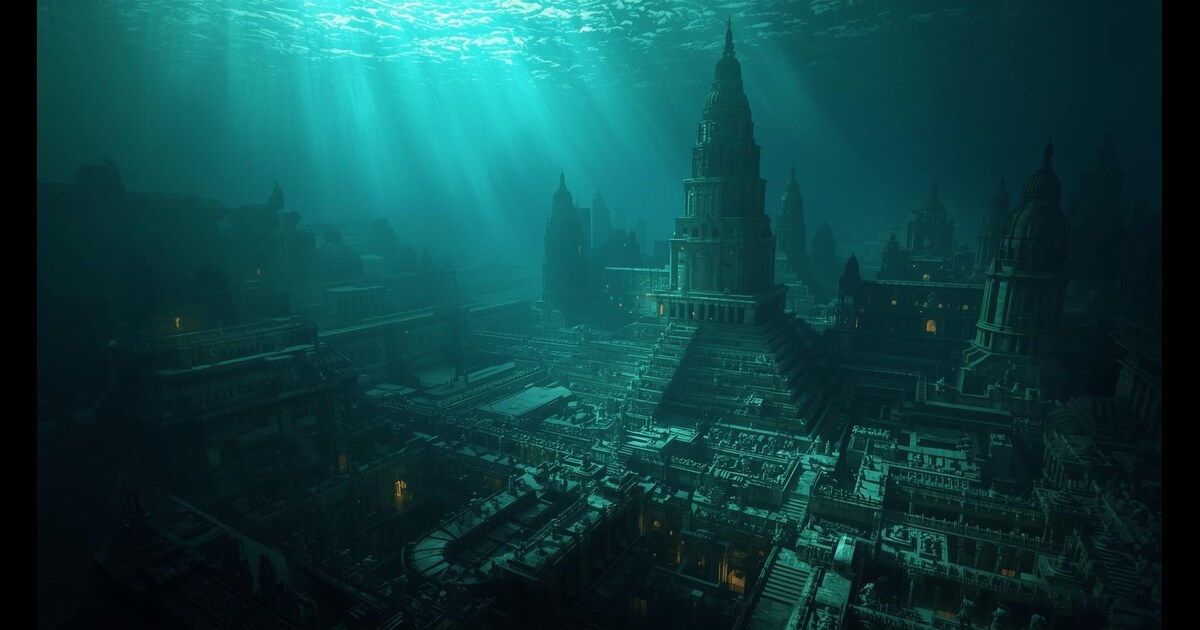
The role of modern technology cannot be overstated in this relentless search. From sonar mapping to remote-operated submersibles, technology has paved the way for modern explorers to venture where no human has yet set foot. These tools not only equip archaeologists with the ability to explore previously inaccessible areas but also provide crucial data that challenge or support existing theories about Atlantis’ location.
Ultimately, the pursuit of Atlantis serves as a metaphor for man’s innate desire to explore the unknown. It reflects how the line between myth and reality can blur, yet remain a source of inspiration and fascination, driving us to push boundaries and seek greater understanding of our world’s ancient history.
Echoes of Atlantis in Arts and Culture
Atlantis has left a mark on art and culture that’s as enduring as the legend itself. The story has provided fertile ground for creative minds, spawning countless adaptations that keep the myth alive in contemporary society.
Literature and cinema have particularly embraced the Atlantis narrative. From classic novels to blockbuster films, the tantalizing allure of a vanished utopia has captivated audiences. Through these media, Atlantis has been reimagined as everything from a tragic paradise lost to an advanced society of futuristic wonders. These stories often serve as cautionary tales, blending fact, fiction, and philosophy to comment on modern life.
Unlock the hidden language of reality. The Book of Symbolism takes you beyond ancient signs, offering a transformative journey into your consciousness.
The architectural world, too, has felt the influence of Atlantis. Some designers draw from the myth to inspire grand structures that evoke a sense of otherworldly elegance and mystery. These architectural tributes often fuse futuristic aesthetics with classical motifs, creating spaces that capture the imagination and invite reflection on the intersection of history and fantasy.
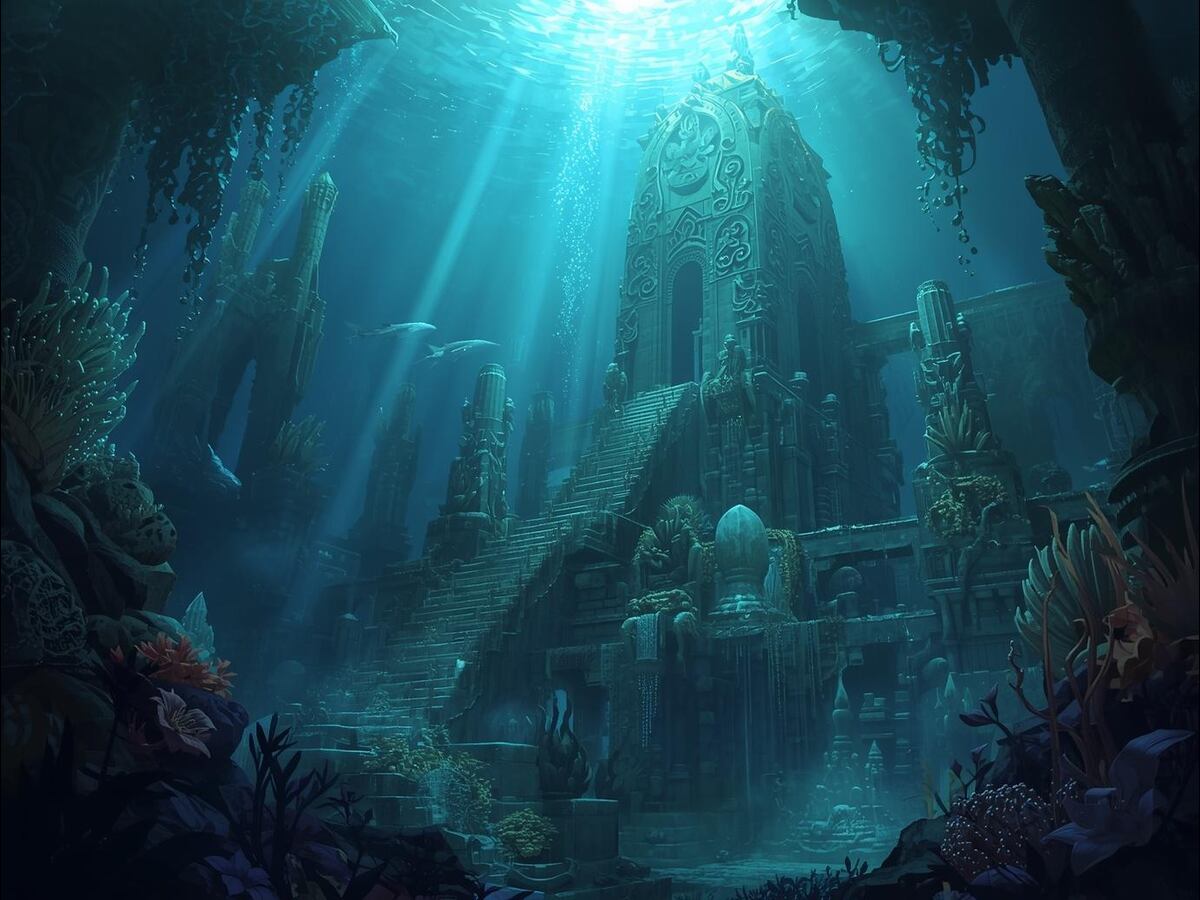
Visual and musical arts also celebrate Atlantis. Artists paint rich imagery that captures its underwater mystique or its fabled opulence before disaster struck. Musicians, on the other hand, use soundscapes to evoke the legend’s emotion and grandeur, creating compositions that resonate with themes of loss, hope, and wonder.
The Atlantis myth continues to resonate not just because of the lost city itself, but through its powerful symbolism in art and culture. It challenges us to reflect on our own society’s trajectory, urging us to ponder the effects of ambition and the delicate balance between progress and preservation.
Understanding Atlantis’ Enduring Mystique
Atlantis remains an enigma, captivating our imaginations and sparking debates over fact and fiction. Its mystique is not just about the quest for historical accuracy but taps into a deep, psychological attraction humans have toward lost civilizations. There’s something innately compelling about the idea of what was once grand and now lies beneath the waves, lost to time.
The face of Atlantis as a symbol extends beyond mere curiosity. It acts as a reflection of our own societal ideals and fears. Philosophically, it embodies the tension between technological advancement and moral integrity, resonating with modern issues such as sustainability and environmental stewardship. Atlantis, in this light, becomes a cautionary tale about the potential consequences of unchecked human ambition.
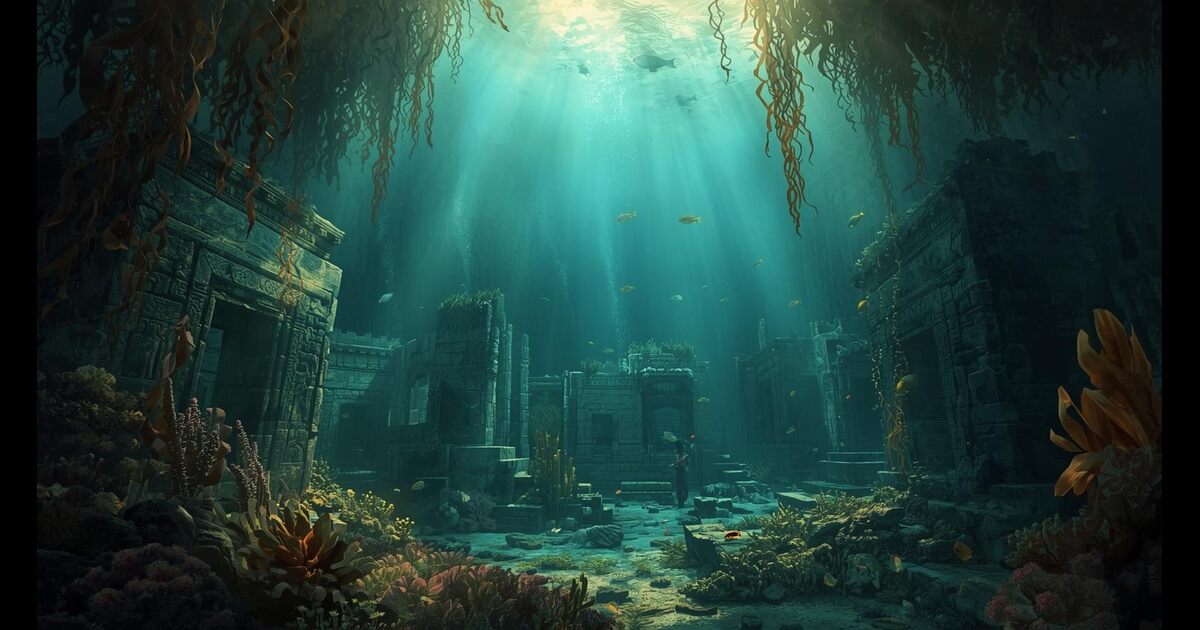
Perhaps what makes Atlantis’ mystique so enduring is its ability to blend tangible quests with the intangible. This legend serves as a reminder of the limitations of human knowledge, yet also of its boundless potential. In the search for Atlantis, we find a mirror reflecting our perpetual desire to explore, understand, and learn from the echoes of our past.
Discover Our Featured Articles: Forbidden History: Hidden Narratives & Suppressed Knowledge
The tale of Atlantis continues to evolve, inspiring each generation to question, explore, and imagine. By weaving together elements of history, myth, art, and philosophy, it remains a poignant story that invites us all to look beyond the waves and contemplate the mysteries both above and below the surface.
This topic is part of the broader Forbidden History framework, where hidden narratives, censored discoveries and supressed knowledge, are explored in depth.