
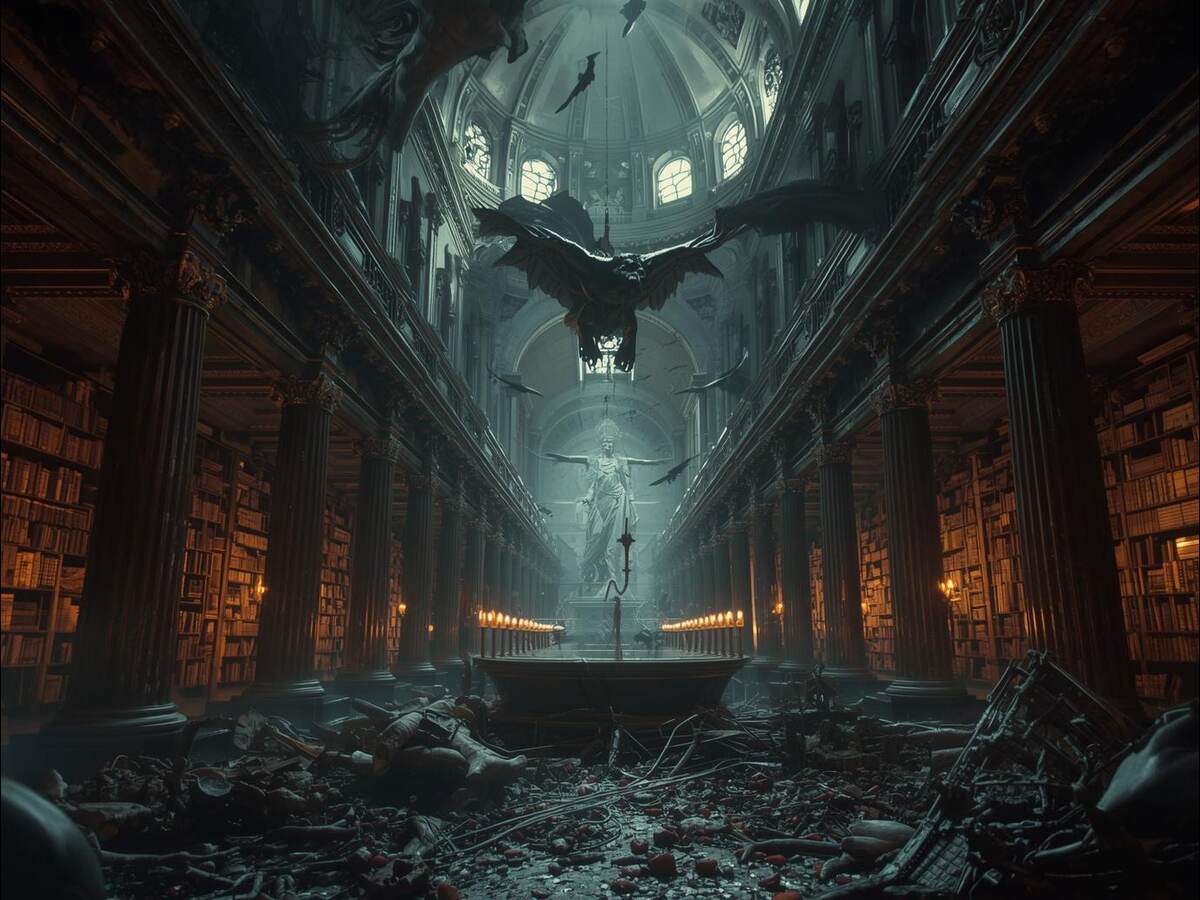
The Secrets Of The Vatican Archives
Disclosure: This post contains affiliate links. If you click through and make a purchase, We may earn a commission at no additional cost to you.




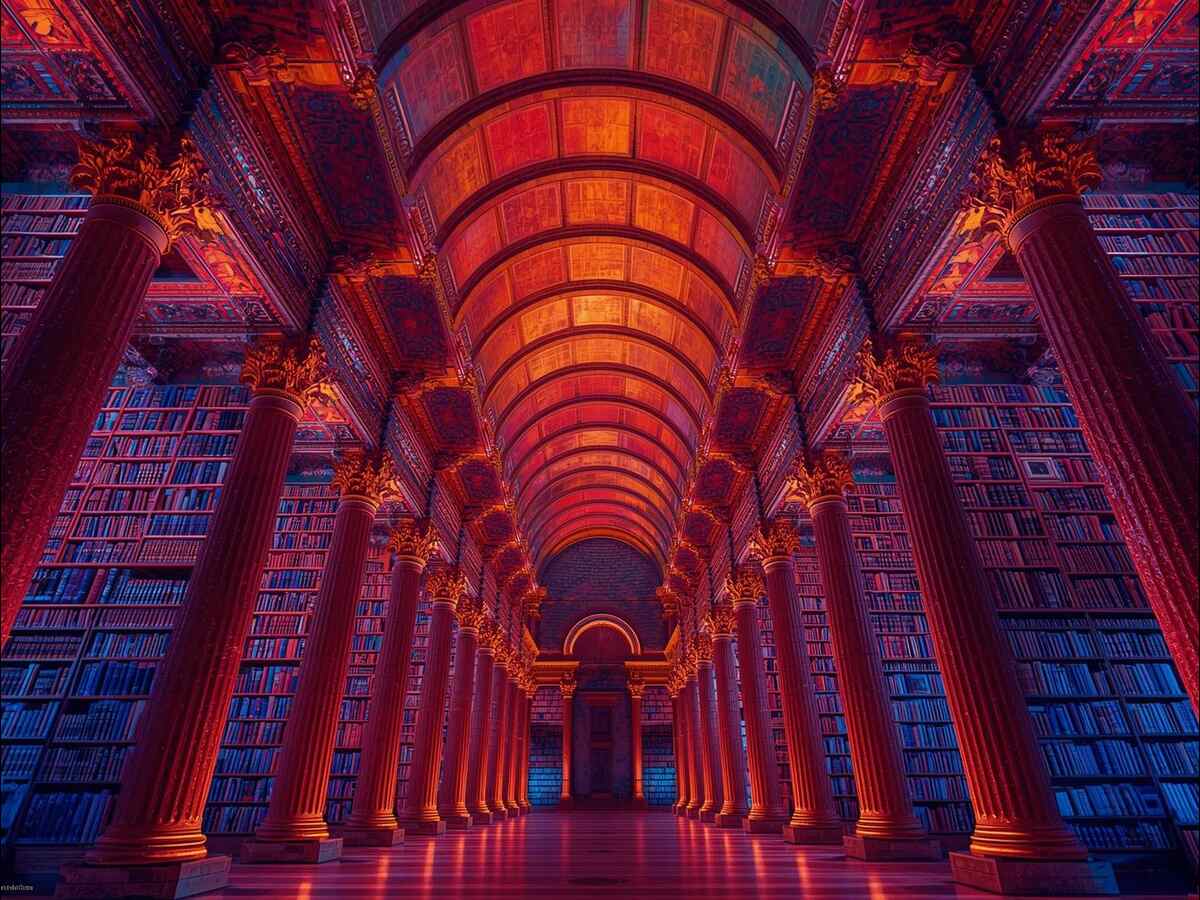
Tucked away in the heart of Vatican City is one of the world’s most fascinating collections of historical documents, the Vatican Secret Archives. Despite its name, the term ‘secret’ originates from the Latin ‘secretum’, meaning private, hinting at its original intent as the Pope’s personal repository. These archives house documents and records of overwhelming historical importance, offering a glimpse into a rich tapestry of religious, political, and cultural history.
The Vatican Secret Archives are not as secretive as one might think, but access is highly regulated. Only a select group of qualified scholars is permitted entry, navigating the labyrinthine halls filled with miles of shelving containing millennia of history. Everyone else must rely on what has been shared publicly or deciphered by those researchers lucky enough to crack their mysteries.
These archives have captured the public imagination for centuries, perhaps because they sound like something from a Dan Brown novel, full of suspense and intrigue. Countless theories and myths have sprouted up, ranging from wild conspiracy theories to romanticized notions of hidden knowledge. Debunking these myths while appreciating the true value of what’s contained inside underscores the importance of responsible documentation and historical stewardship.
Understanding the purpose and history of the Vatican Archives helps ground the myths in reality. The records cover papal history back to the 8th century, serving as both a testament to the legacy of the Catholic Church and a critical reservoir of global history. As interest grows, these archives remain a subject of intense curiosity, combining elements of historical drama with modern regulations and confidentiality agreements.
A Journey Through Time: The Rich Tapestry of Vatican Archive Contents
The Vatican Archives might look like an unassuming collection, but it’s a treasure trove for historians and scholars. Imagine ancient manuscripts that have journeyed through time, silent witnesses to events that shaped civilizations. Among these pages, you find remarkable stories not just of religious significance but of political and social impact stretching back through the ages.
One of the most intriguing aspects of these archives is the wealth of papal correspondence. Letters penned by various Popes have influenced decisions on war, peace, diplomacy, and doctrine, serving as keystones in many historical narratives. Reading these documents is like eavesdropping on the discussions that have secretly shaped policy and theology.
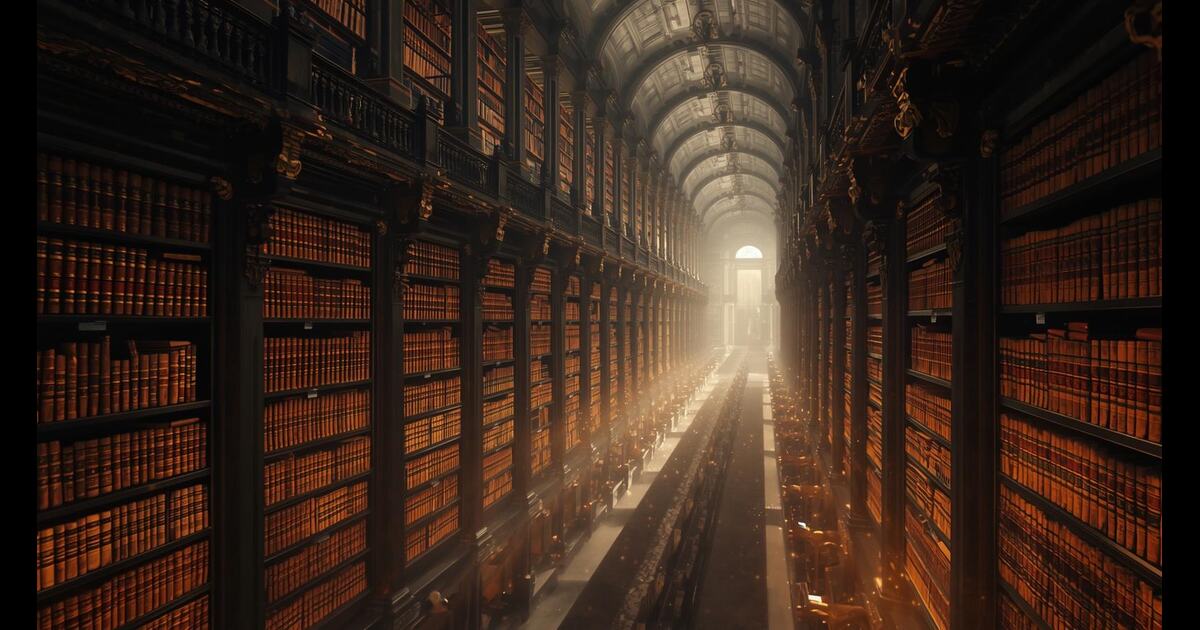
Furthermore, important records related to monumental historical events such as the Reformation or the Crusades are carefully preserved here. Dive into primary sources and discover firsthand accounts or decrees that dictated the course of faith and fate for communities and continents. This context provides an unparalleled perspective on key moments in history, challenging us to understand events from both the past and their echoes in the present.
As you explore these stories locked within the archives, it’s essential to appreciate the balance between open access and the ethical considerations of preserving history. While these records serve as crucial touchstones, the depth and complexity each document holds can only be fully grasped with careful study and reflection by trained scholars.
Behind Closed Doors: Discovering the Hidden Gems of the Archives
Not everything in the Vatican Archives is about dusty old papers. Some hidden gems include rare artworks, meticulously crafted maps, and curiosities that spellbind anyone who stumbles upon them. These treasures are more than mere artifacts; they’re critical pieces that help sketch out the broader narratives of our shared history.
Among these treasures, you’ll find beautifully illustrated manuscripts, works of art that are equal parts historical document and captivating visual spectacle. Some items bridge the gap between cartography and art, offering maps that not only chart geography but also serve as cultural records of the time they were created.
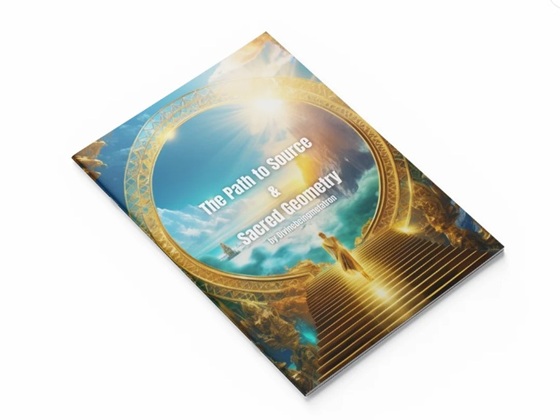
Decode the hidden language of the cosmos and connect with ultimate source energy through the power of sacred geometry.
Quality preservation is essential for these items, and it’s no small feat to maintain such a vast collection. Experts dedicate countless hours to restoration, ensuring every document, every painting remains true to its origins. These specialists employ advanced techniques to protect and restore while keeping the character of each piece intact.
In more recent times, the digitalization process has made some of these treasures available to the broader public. Through digital archives, researchers and history buffs worldwide can peek at scanned replicas, grasping a thread of their stories without being physically present. While not a substitute for the genuine articles, it’s a significant step toward inclusivity and democratizing access to knowledge.
Engaging with the digital version reminds us of the doors technology can open while prompting thoughtful discussions on access, privilege, and responsibility in handling history. The ongoing efforts to digitize show a commitment to preserving the past while embracing technological advances to educate and inspire future generations.
The Whispered Truths: Dark Histories and Historical Revelations
When it comes to understanding the past, the Vatican archives can be a bit like looking through murky glass. Many suspect they’re filled with records of some pretty sobering events from Church history. Take the Inquisition, the Crusades, or other forms of religious fervor gone sideways. These were times when the Church was very much the powerhouse, steering decisions and actions that unfolded into major historical events.
Furthermore, some folks reckon the archives hold all the gruesome details—the tortures, the trials, and the decisions made in candle-lit rooms. But if you’re hoping for a definitive list of villainy, you might find it’s more a nuanced story. History’s usually not as clear-cut as good and evil, and the archives are said to hold all the shades of grey in between.
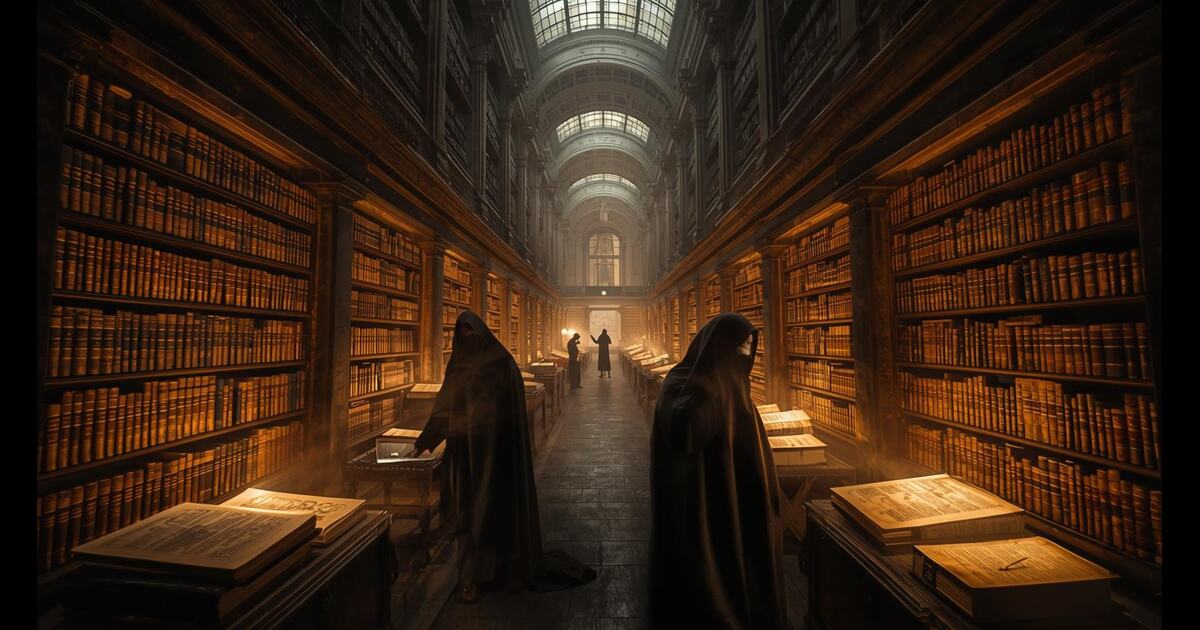
There’s always that looming question about the real truth regarding humanity’s origin. While some suggest mind-blowing revelations are tucked away in these secret corridors, others shrug it off as pure speculation. Thing is, history and religion often blend, and stories evolve over centuries. Whether the archives hold the ‘real’ story or not, they leave a lot of room for interpretation.
Such conversation opens up bigger questions about the power and role of the Church throughout history. Beyond the pulpit, it’s influenced leaders, shaped laws, and been part of societal movement shifts—some admirable, others not so much. In these archives, the records of these influences are believed to be thoroughly documented, and for critics, it’s a chance to see the Church in its full light.
Mysteries of the Archive: The Pandora’s Box of History
The Vatican Secret Archives, a fascinating collection often cloaked in mystery, have fueled the imagination of many historians and conspiracy theorists for years. It’s not just a treasure trove of the Church’s internal documents. It’s a place where whispers of ancient knowledge and hidden truths live. But what’s the real deal?
First off, the archives started off with the intention of preserving crucial documents that are central to the Catholic Church’s history. This isn’t just about church canon laws or papal bulls. It’s about preserving the entire recorded history of Catholicism, including some things they’d rather not put on diamond display.
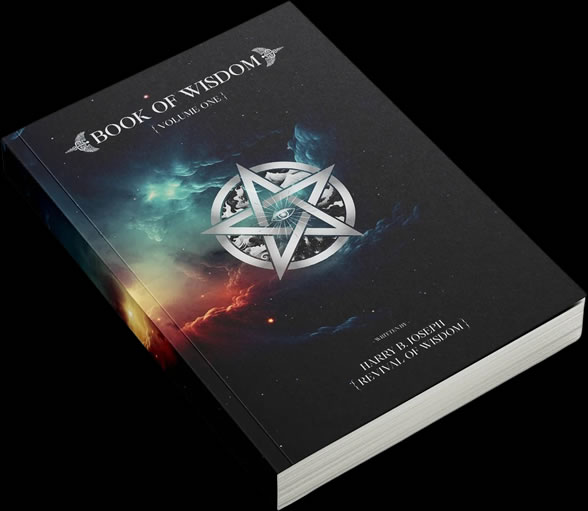
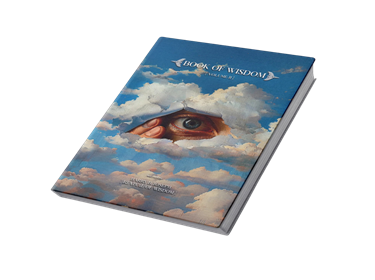
This masterpiece is a must-have for every free thinker and truth seeker. It offers a wealth of occult knowledge, blending surface-level insights with profound, hidden esoteric wisdom.

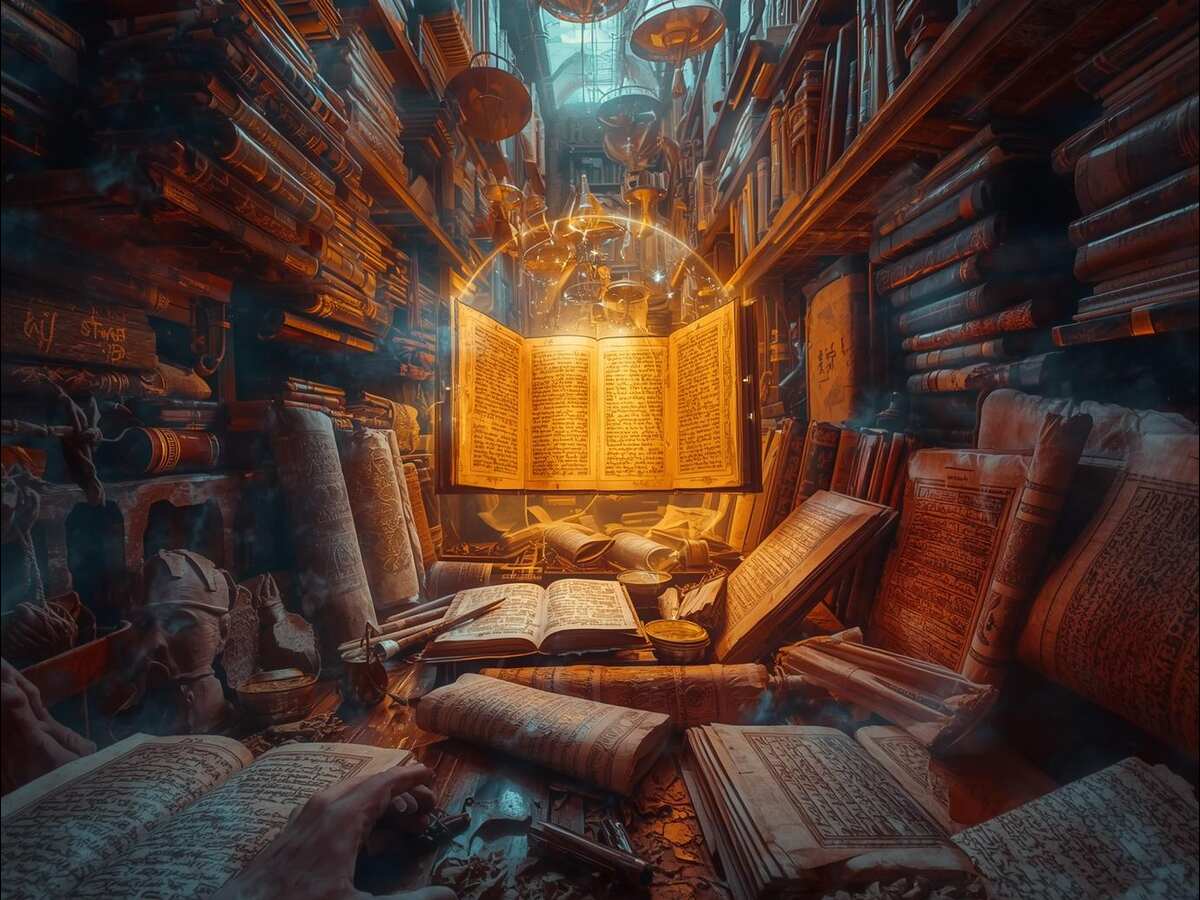
The most intriguing is the idea that the Vatican keeps missing books of the Bible locked away. Now, why aren’t these part of the public collection? Well, some argue these might challenge conventional beliefs that have been established. Books like the Gospel of Thomas, the Book of Enoch, The Gospel of Mary, or the Wisdom of Solomon & Sirach, for instance, offer a different perspective on spirituality and early Judaism and Christianity.
Discover Our Featured Articles: Forbidden History: Hidden Narratives & Suppressed Knowledge
Also, the vaults are believed to house ancient texts from Greek and Egyptian literature, banned over the years. These aren’t just literary relics; they’re considered powerful enough to shift our understanding of history, ethics, and humanity itself. Keeping them away can be seen as a way to maintain certain narratives and doctrines undisputed.
Overall, while the archives might be a Pandora’s box of history, they also show how particular records are kept far from common eyes. This blend of mystery and exclusivity continues to spark curiosity among history buffs and curious minds worldwide.
This topic is part of the broader Forbidden History framework, where hidden narratives, censored discoveries and supressed knowledge, are explored in depth.
Related Topics