

Monopoly Of Mindset: Corporate Profits And Power
Disclosure: This post contains affiliate links. If you click through and make a purchase, We may earn a commission at no additional cost to you.




Corporations today have found themselves in a position where their influence over governmental systems is more pronounced than ever before. In many parts of the world, suspicion grows that the dividing line between business and politics is almost indistinguishable. Furthermore, the corporate profits have surged to historic highs, reshaping the global balance of economic and political power.
Corporate entities wield their power in various ways, ensuring that their interests aren’t just considered in policy discussions but often take precedence. This influence is seen across sectors, from tech giants sculpting data privacy laws to energy companies lobbying for relaxed environmental regulations.
Take a look at how this plays out globally, and you’ll notice a pattern. In the United States, the lobbying efforts by big corporations result in laws and policies that favor business goals over public welfare. In developing countries, foreign corporations often influence local governments to gain access to natural resources, with little regard for the welfare of local communities or environmental impact.
However, this corporate influence poses serious questions for the integrity of democratic systems. When policy-making is heavily swayed by corporate interest, the very nature of a government “for the people, by the people” is at risk. Democracy relies on a checks and balances system, yet when corporations sit at the decision-making table, this balance can easily be skewed.
Yet, not all is lost. Citizens around the globe are becoming increasingly aware of this corporate encroachment. Grassroots movements aim to hold corporations accountable, demanding transparency in government dealings and corporate ethics. Embracing this scrutiny can pave the way for reforms where public interest is prioritized—ensuring that policies are made with the welfare of the many in mind rather than the wealth of a few.
Pharmaceutical Giants: Profit Versus Public Health
The pharmaceutical industry stands as a crucial pillar of modern healthcare, providing medications and vaccines that have transformed life expectancy and quality of life. However, the question arises about the true motives driving these behemoths. Prioritizing profits often seems to overshadow their commitment to public health.
Pharmaceutical companies have been known to hike prices dramatically for essential drugs, placing a substantial financial burden on patients who depend on these medications for survival. Indeed, instances where the cost of life-saving treatments skyrockets overnight are not uncommon, leaving many to wonder where ethics come into play.
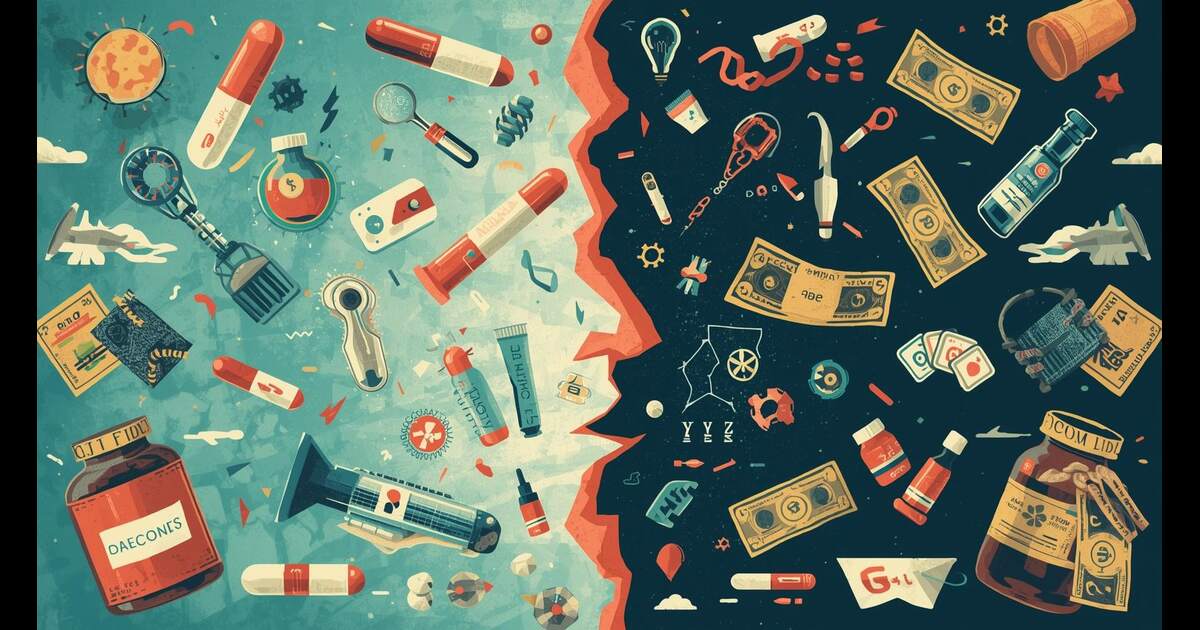
Furthermore, the intricate web of lobbying and political influence enables these companies to shape healthcare policies to their advantage. Consequently, government regulations that should prioritize patient welfare sometimes end up skewed, favoring the interests of these industry giants thanks to well-funded lobbying efforts.
On the other hand, despite this heavy focus on profits, pharmaceutical companies also invest significantly in research and development, leading to groundbreaking advancements in the treatment of complex diseases. Yet, the ultimate distribution and pricing of these innovations often prioritize the recuperation of investment and profit margins over accessibility.
Ultimately, navigating this landscape requires more awareness and advocacy from the average person. By supporting legislation that enforces fair pricing and enhances drug access, individuals can push the needle toward equitable healthcare. In conclusion, staying informed about the pharmaceutical industry and advocating for transparency can help ensure that public health remains a priority, not an afterthought.
Food Industry Exploits: From GMOs to Financial Gain
When it comes to what we eat, we trust that food companies have our best interests at heart. However, the reality is often a complex mix of profit-driven motives that deeply influence the nation’s food supply. The prevalence of genetically modified organisms (GMOs), pesticides, and additives in our everyday diets highlights the food industry’s prioritization of financial gain over public health.
Moreover, these companies have a huge say in the production processes, often resulting in food that’s cheaper to produce but less nutritious. GMOs, while touted for their efficiency and yield, raise health concerns due to the chemical processes involved in their creation. Pesticides used in cultivation can leave residues on produce, introducing potential toxicity risks. Additives meant to enhance flavor and preservation often contribute to long-term health issues.
Ready for the next level of truth? The Volume 2 exposes even deeper cosmic secrets, decode advanced occult knowledge, ancient mysteries, and the hidden truths of reality.

One significant complication is the cost disparity between processed and healthier food options, making nutritious choices less accessible to a larger population due to higher prices. This financial barrier is part and parcel of a system that values profits over people.
The ties between food companies and policy-making often allow these corporations to sidestep stricter health regulations. Lobbying efforts ensure that labeling requirements for GMOs remain a point of contention, leaving consumers in the dark about what they are truly consuming.
For most of us, the challenge lies in making informed dietary choices. Opting for foods with transparent labeling and supporting local farmers who emphasize organic and sustainable practices can contribute to a healthier lifestyle and more ethical food industry practices. By leveraging consumer power through conscious purchasing decisions, we can nudge this industry towards prioritizing public welfare alongside profit margins.
Media Manipulation: Shaping Narratives and Perception
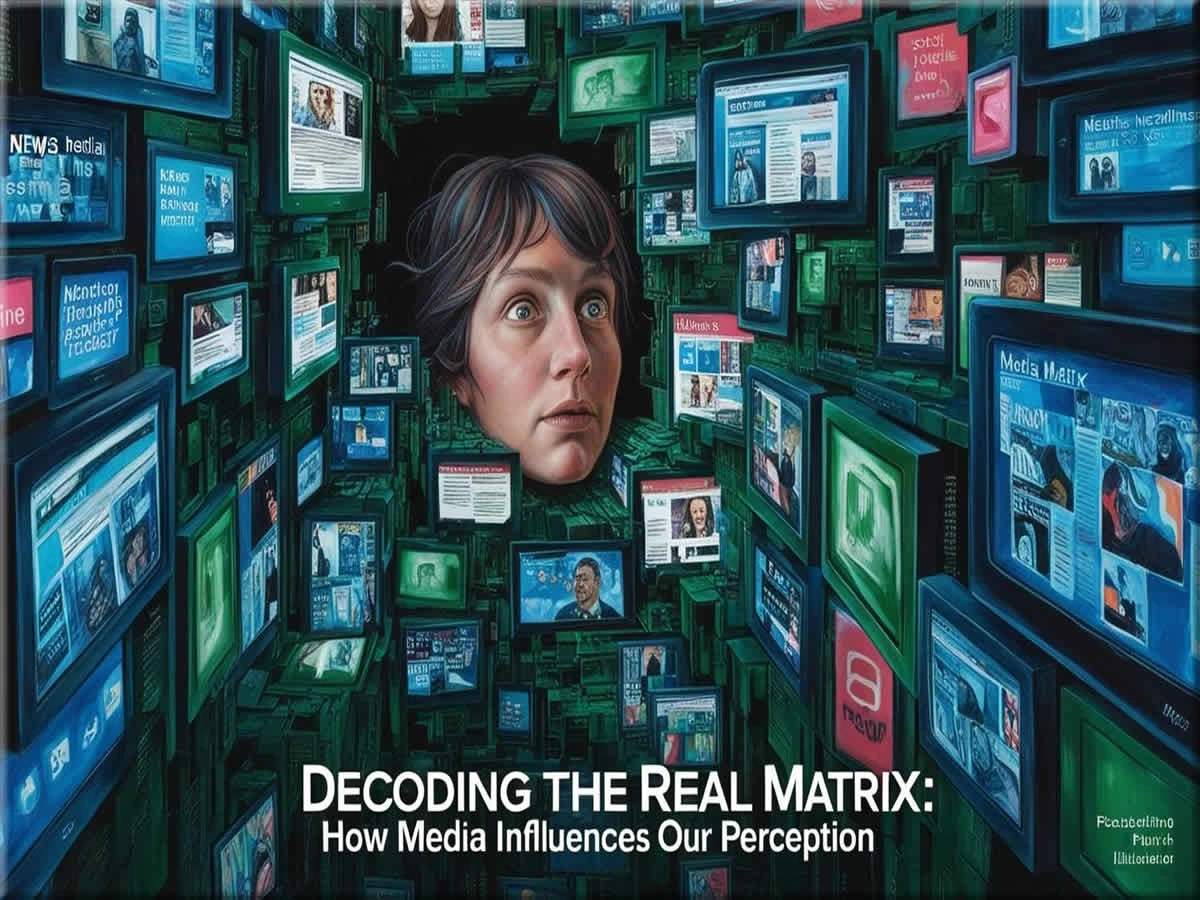
Media companies today hold an extraordinary sway over public perception, acting as the conduit through which most people access information about the world. The intertwining of media with corporate and governmental agendas shapes what is reported and how stories are framed, with significant implications for public opinion.
Through meticulously crafted narratives, media outlets can influence societal attitudes, often prioritizing the interests of powerful stakeholders over impartial reporting. This manipulation takes many forms, from selective reporting to overt propaganda, which aims to steer public sentiment in specific directions.

Media consolidation further amplifies this phenomenon, limiting the diversity of viewpoints and giving a handful of companies the power to shape the overarching narrative. This consolidation means fewer independent voices and, consequently, a narrower range of perspectives reaching the audience.
Consumers of media have a right to expect transparency and accuracy, yet the reality often involves navigating a landscape filled with bias and misinformation. The content is often designed to keep audiences engaged by appealing to emotions rather than providing factual, unbiased news.
Additionally, for everyday individuals, cultivating media literacy is essential. Scrutinizing sources, seeking out diverse perspectives, and questioning narratives are crucial to navigating the modern media landscape. By actively choosing balanced and credible sources, audiences can contribute to a broader demand for integrity in media reporting, challenging media corporations to prioritize truth over influence.
The Information Empire: Challenging Propaganda and Misinformation
In today’s world, the relentless stream of information we consume is often riddled with propaganda and misinformation. This network of carefully curated content serves those in power and aims to control the collective consciousness of society. As narratives are strategically spun, the masses remain largely unaware of the underlying motives at play.
Freedom of expression is lauded as a fundamental human right. However, the truth can become entangled in a web of controlled messaging, where media giants, often in cahoots with governments, dictate what the public sees and hears. This orchestration of information keeps critical truths from coming to light, obscuring unethical behaviors and corrupt practices from public scrutiny.
Break the illusion and awaken your true potential. Ethereal University offers the ultimate blueprint to reprogram your mind, master your reality, and finally reclaim total control over your life.
In this landscape, understanding media freedom isn’t just about what is said, but also about what is hidden. Essential stories about corruption, fraud, or other significant societal issues may be downplayed or outright ignored, contributing to a passive, misinformed public.
Tackling this challenge calls for a proactive approach in consuming information. Encouraging open dialogue, supporting independent journalism, and embracing media literacy play pivotal roles in combating the pervasive influence of misinformation. Engaging critically with content, discussing perspectives openly, and raising awareness about the mechanisms at play can shift the balance toward a more informed and empowered society.
Discover Our Featured Articles: Reality Manipulation: How Perception Is Controlled & Distorted
As individuals, advocating for transparency and truth in media is key. By questioning and analyzing the information presented to us, we can begin to unravel the tangled web of influences that shape our understanding of the world.
This topic is part of the broader Reality Manipulation framework, where societal constructs, authority systems, and reality manipulation are explored in depth.
Related Topics