

The Wisdom Of The Nag Hammadi Library


The Nag Hammadi Library, discovered in Egypt in 1945, has reshaped how we view early Christian and Gnostic traditions. This collection, hidden in jars for centuries, includes over fifty texts tracing back to the early centuries of Christianity. Unearthed by local farmers, it’s become a goldmine for historians and theologians alike.
The true significance of this discovery lies in its content. These texts open a window into early Christian thoughts deemed heretical by established religious authorities. They offer us a chance to see varied interpretations of Christianity, ones that had almost been lost to history. And that’s not just important for scholars. Anyone interested in spiritual or historical exploration can gain new insights into this period.

Understanding the cultural and historical context is key to appreciating these manuscripts. Unearthed amid the shifting sands of time, they reveal the diverse spiritual landscape. Imagine a period in which religious ideas competed, converged, and questioned one another. That dynamic backdrop paints a fascinating picture of early faith development.
When the Nag Hammadi texts emerged on the academic scene, reactions were mixed. Scholars had to rethink abandoned paths of Christian history. Some were excited by the potential to explore less mainstream interpretations, while others were more skeptical. It caused quite a stir among theologians, challenging traditional beliefs. Nonetheless, this has paved the way for richer discussions about religious history.
Exploring the Gnostic Gospels: A Deep Dive into Spiritual Insight
An emphasis on personal spiritual knowledge over orthodox teachings characterizes Gnosticism. Emerging during the early days of Christianity, it offered a distinct perspective on the nature of divinity and salvation. Understanding its philosophical tenets helps unravel the complexities of human connection with the divine.
Among the many texts found in the Nag Hammadi Library, the Gospel of Thomas and the Gospel of Truth stand out. These gospels present alternative narratives about Jesus and his teachings, featuring sayings and revelations that weren’t included in the canonical Bible. Such writings challenge traditional Christian dogmas and introduce vibrant dialogues about faith and understanding.

Gnostic teachings contrast with conventional Christian dogmas, particularly their views on the material world and inner enlightenment. Rather than condemning the physical realm, Gnostics often viewed it as a veil concealing deeper spiritual truths awaiting discovery. This perspective offers a refreshing angle on religion, promoting introspection and self-awareness.
In the modern era, interpretations of Gnostic thought continue to resonate, allowing individuals to forge unique spiritual paths. As people grow more interested in personal spirituality, the insights from these ancient texts gain renewed significance. They urge us to reflect on our beliefs and encourage journeys of personal discovery and transformation.
The Secret Teachings: Heresy or Hidden Truths?
In ancient times, Gnosticism was often labeled as heretical by mainstream Christianity, challenging accepted doctrines with its esoteric ideas. This label of heresy stemmed from Gnosticism’s profound emphasis on personal enlightenment and spiritual knowledge, diverging from traditional church teachings.
The Nag Hammadi texts delve into themes of esoteric knowledge and divine wisdom. They suggest the existence of hidden truths accessible through inner revelation rather than external rituals. This uncommon approach to spirituality elevates personal understanding over institutional authority, prompting a re-evaluation of what it means to be spiritually informed.
Volume 2 continues the profound themes introduced in the predecessor even deeper into the complexities of existence and the pursuit of knowledge, encouraging readers to question established beliefs.


The authenticity and significance of these texts have been hot topics among scholars. While some have questioned their origins and intentions, others have embraced their potential to offer fresh insights into Christianity’s diverse roots. Such discussions underscore the texts’ enduring influence and the ongoing quest for truth within religious studies.
In recent times, there’s been a shift in how these ancient writings are perceived. No longer dismissed as mere heresy, these teachings encourage deeper explorations into spiritual beliefs. They invite us to consider the broader spectrum of religious thought and embrace a more inclusive view of spirituality, challenging us to expand our understanding beyond conventional boundaries.
Impact on Modern Spirituality: Bridging the Gap between Past and Present
The Nag Hammadi library offers a rich source of influence for today’s spiritual renaissance. They fuel modern movements that blend ancient wisdom with contemporary practice, reshaping how we approach belief systems.
Gnostic principles align well with current trends in spirituality, which emphasize personal growth and self-discovery. Many people now seek paths that accommodate personal journeys over rigid doctrines, finding resonance in Gnostic teachings that prioritize internal enlightenment.

Bridging ancient teachings with modern new-age practices can create innovative spiritual experiences. By integrating insights from these texts, individuals and communities develop rituals and belief systems that reflect both past and present understandings.
These teachings encourage exploration and individualism. They’re a call to forge unique spiritual pathways, fostering a deeper connection with personal beliefs while embracing a broader range of spiritual insights.
Today, many thinkers and spiritual leaders draw from Gnostic ideas, advocating for a more inclusive perspective. Influential movements and philosophies increasingly acknowledge these ancient texts as foundational, offering valuable insights into modern faith ideals.
Concluding Reflections: The Everlasting Relevance of the Nag Hammadi Texts
The Nag Hammadi library continues to offer timeless lessons that resonate with today’s spiritual seekers. Their exploration of personal enlightenment and spiritual awakening remains deeply relevant, especially as more people question conventional beliefs.
These ancient writings challenge mainstream religious narratives, inviting individuals to explore beyond the familiar. By encouraging divergent thought and personal interpretation, the texts foster a culture of open-mindedness in spiritual dialogue.
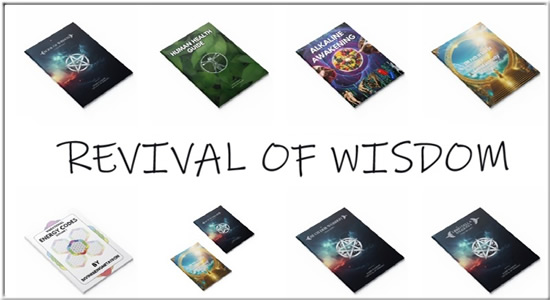
The Wisdom Bundle is a carefully curated collection of three eBooks that promises to open your eyes, enrich your mind, and nourish your soul.

As we seek to understand life’s profound questions, these texts provide a valuable resource. They serve as a reminder of the diversity and depth of spiritual exploration, prompting us to consider a range of perspectives and insights.
Discover Our Featured Articles: Esoteric Wisdom: Ancient Teachings & Inner Awakening
Ongoing research and dialogue about these texts inspire a continuous re-examination of beliefs in light of historical revelations. The stories they tell and the questions they raise ensure they maintain a dynamic presence in theological studies and spiritual reflections alike.
This topic is part of the broader Esoteric Wisdom framework, where ancient symbolic systems, consciousness studies, and hidden philosophical traditions are explored in depth.
Related Topics