

The Role Of Astrology In New Age Spirituality


New Age Spirituality represents a vibrant blend of old-world traditions and contemporary life philosophies. It captivates those seeking flexibility and holistic healing outside conventional religious frameworks. Astrology has become a key player in New Age practices due to its intriguing promise of insight through the stars. Many have found astrology helpful in navigating their personal journeys, seeing it as a cosmic guide that marries ancient wisdom with individual experience, tailoring spiritual growth to each person’s unique path.
This path didn’t just pop up overnight. The surge in interest in New Age Spirituality owes much to growing discontent with traditional religious structures, especially in the late 20th century. It appeared as both a critique and a complement to established beliefs, providing a spiritual playground where diversity, individuality, and creative expression reign supreme.
Moreover, rooted in a mix of diverse influences, New Age Spirituality draws on ancient cultures such as those in Egypt, Greece, and India, mashed up with modern psychological and spiritual practices. It thrives on inclusivity, welcoming an array of ideas like meditation, energy healing, and spiritual channeling, aiming for a united approach to understanding one’s place in the universe.
Exploring the Foundations of Astrology: Celestial Influences and Personal Insights
Astrology’s roots run deep, tracing back to ancient Babylon, where stargazers first began mapping the skies. This age-old practice has evolved over thousands of years, with its central tenet remaining essentially the same: celestial bodies, beyond just twinkling lights, are conveyors of cosmic messages.
Every zodiac sign carries distinctive traits and strengths. From fiery Aries, bubbling with enthusiasm, to the introspective depths of Scorpio, each sign offers a profound opportunity for self-exploration. Gaining insights into these symbols can help folks better navigate their personalities, tapping into strengths and recognizing weaknesses.

The planets also play a significant role in shaping destinies, with events like Mercury retrograde becoming well known for their supposed impact on communication and technology. Keeping an eye on celestial events can provide clarity and guidance, turning what once seemed like random events into meaningful life lessons.
Western astrology, focusing on the sun signs, offers a more general approach. In contrast, systems like Vedic or Sidereal astrology go deeper, considering the moon and rising signs, among other celestial influences. Each has its unique voice but ultimately aims to empower individuals with greater self-awareness and spiritual insight.
Practical Applications of Astrology in Daily Life and Spiritual Practices
Astrology isn’t just philosophical musings about celestial alignments; it’s a practical tool for navigating everyday life. By diving into horoscopes, charts, and planetary positions, folks can gain insight into their daily moods and decision-making processes.
Many people turn to astrology for personal growth. It nudges them to ask more profound questions about life purpose and individual motivations. Understanding one’s astrological chart makes it easier to pinpoint areas that need attention or change.
Astrology complements mindfulness practices like meditation, offering a structured approach to self-reflection. By meditating on specific planetary energies, one might find new avenues of mental clarity and emotional peace.
With its focus on relationships, astrology offers profound insights into connections with loved ones. By understanding compatibility and conflict patterns through charts, there’s potential to improve communication and deepen emotional ties.
Astrology isn’t operating in a vacuum; it often complements other New Age practices such as numerology and crystal healing. When combined, these tools can amplify spiritual understanding and personal development, offering a richer, more integrated approach to self-awareness.
Notable Astrology Institutes Across the Globe
Across the globe, numerous institutes have emerged to explore the ancient practice of astrology, each offering unique perspectives and teachings.
In India, the field of Vedic Astrology, or Jyotish, has deep roots in cultural history. Institutes like the Bharatiya Vidya Bhavan and the Astrological Research Center in Mumbai specialize in teaching this traditional form of astrology, emphasizing the significance of planetary positions in influencing an individual’s fortune. Courses often blend lessons on chart readings with spiritual practices, reflecting the holistic nature of Indian astrology.
In the West, organizations such as the Faculty of Astrological Studies in the UK and the American Federation of Astrologers have made significant contributions to the field. The Faculty offers a comprehensive curriculum that covers various astrological branches, from natal to mundane astrology, aiming to create well-rounded practitioners who can navigate the complexities of the universe. Similarly, the American Federation provides resources and certifications, promoting a professional standard in astrological practice.

Another notable institute is the Astrology University, which emphasizes modern techniques and psychological nuances in astrology. Founded by well-known astrologers, it offers online courses and workshops for enthusiasts worldwide, making astrology more accessible to a broader audience.
Internationally, the Astrology Association of Great Britain and the Australian College of Astrology foster communities of learners and professionals, encouraging collaboration and growth within the astrological community.
As interest in astrology continues to rise, these institutes not only preserve ancient wisdom but also adapt and innovate, making astrology relevant in today’s fast-paced world. Whether through traditional teachings or modern interpretations, these organizations play a vital role in shaping the future of astrology.
Criticisms and Affirmations: Debunking Myths While Upholding Astrology’s Spiritual Value
Astrology, like many belief systems, faces its share of skepticism, often dismissed by critics as pseudoscience. Despite this, astrology’s spiritual value persists, mainly due to personal testimonials and the sense of meaning it provides to many.
Common criticisms hinge on the lack of empirical evidence supporting astrological claims. However, proponents argue that astrology’s value lies in personal insights rather than in testable science. It serves as a mirror for self-reflection, encouraging individuals to explore their depths and evolve.
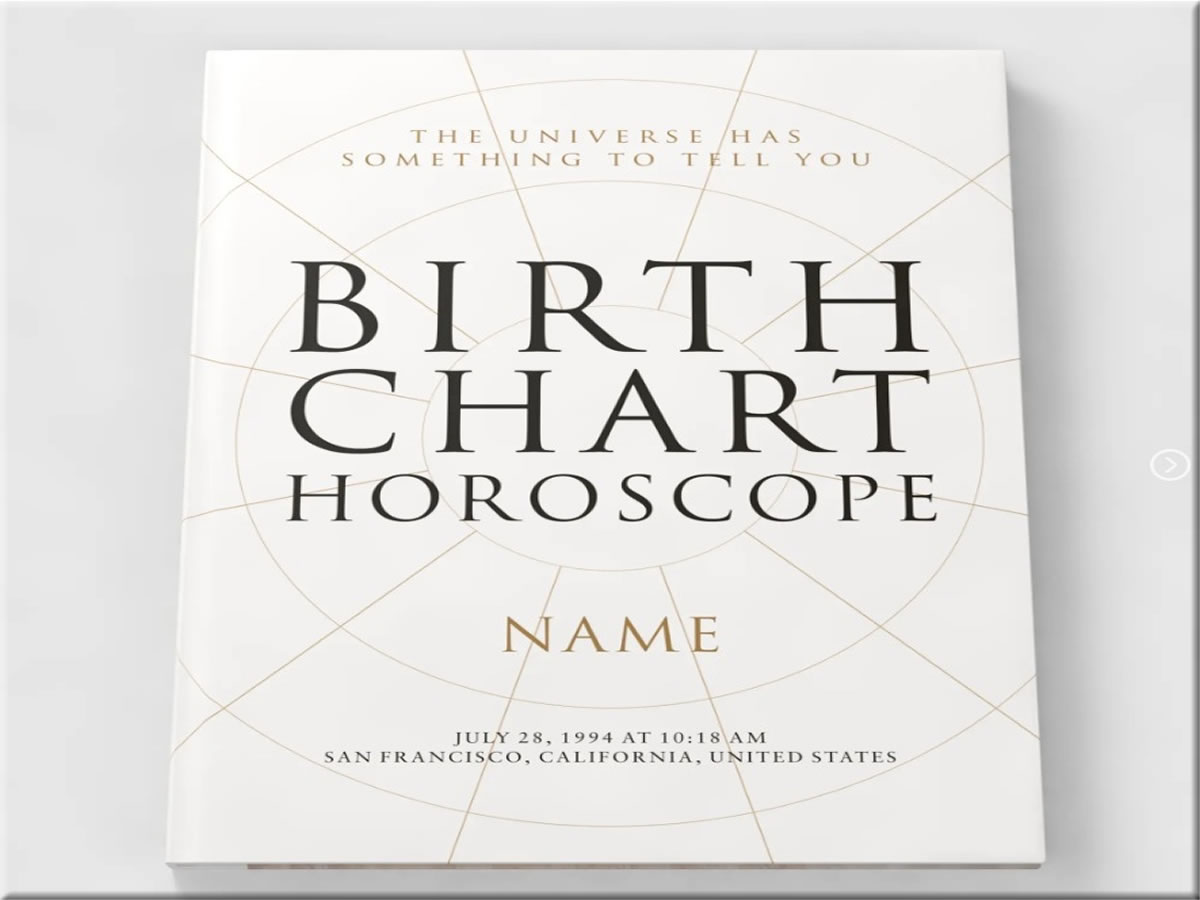
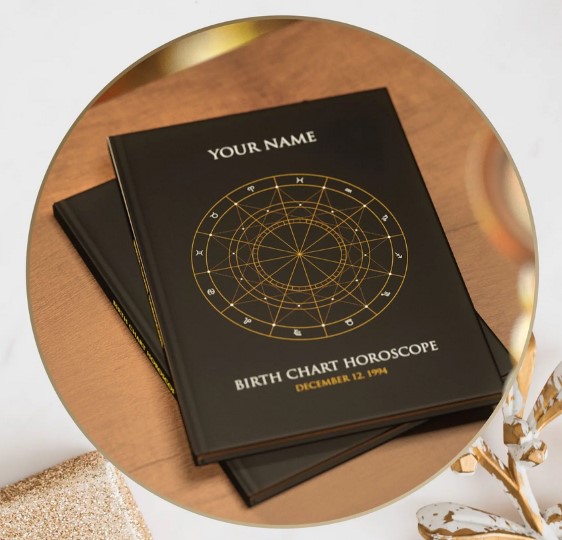
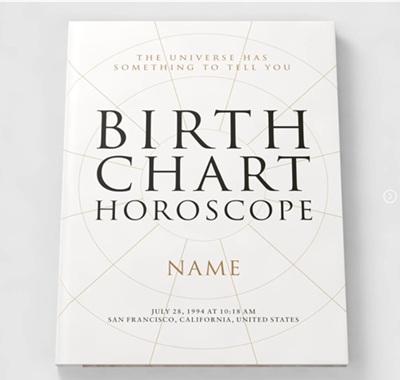
This book is a lovely story with you as the main character. It is a fully personalized and unique reading of your birth chart bundled in a beautiful hardcover deluxe book.
IT'S ALSO A FANTASTIC GIFT CHOICE!

Scientific skepticism coexists with genuine user experiences, creating a complex landscape. While it’s crucial to approach astrology with a discerning mind, dismissing it outright overlooks the countless narratives of transformation and self-discovery it has facilitated.
Astrologers and enthusiasts aim to preserve astrology’s cultural integrity, ensuring respect for its varied traditions. By acknowledging its roots and avoiding cultural appropriation, practitioners can honor the practice while using it for personal growth.
Discover Our Featured Articles: Esoteric Wisdom: Ancient Teachings & Inner Awakening
Personal stories of transformation highlight astrology’s impact. These narratives show astrology’s role as a catalyst for change, guiding individuals through challenges and celebrations alike, illustrating its enduring appeal in the tapestry of human spiritual exploration.
This topic is part of the broader Esoteric Wisdom framework, where ancient symbolic systems, consciousness studies, and hidden philosophical traditions are explored in depth.
Related Topics