
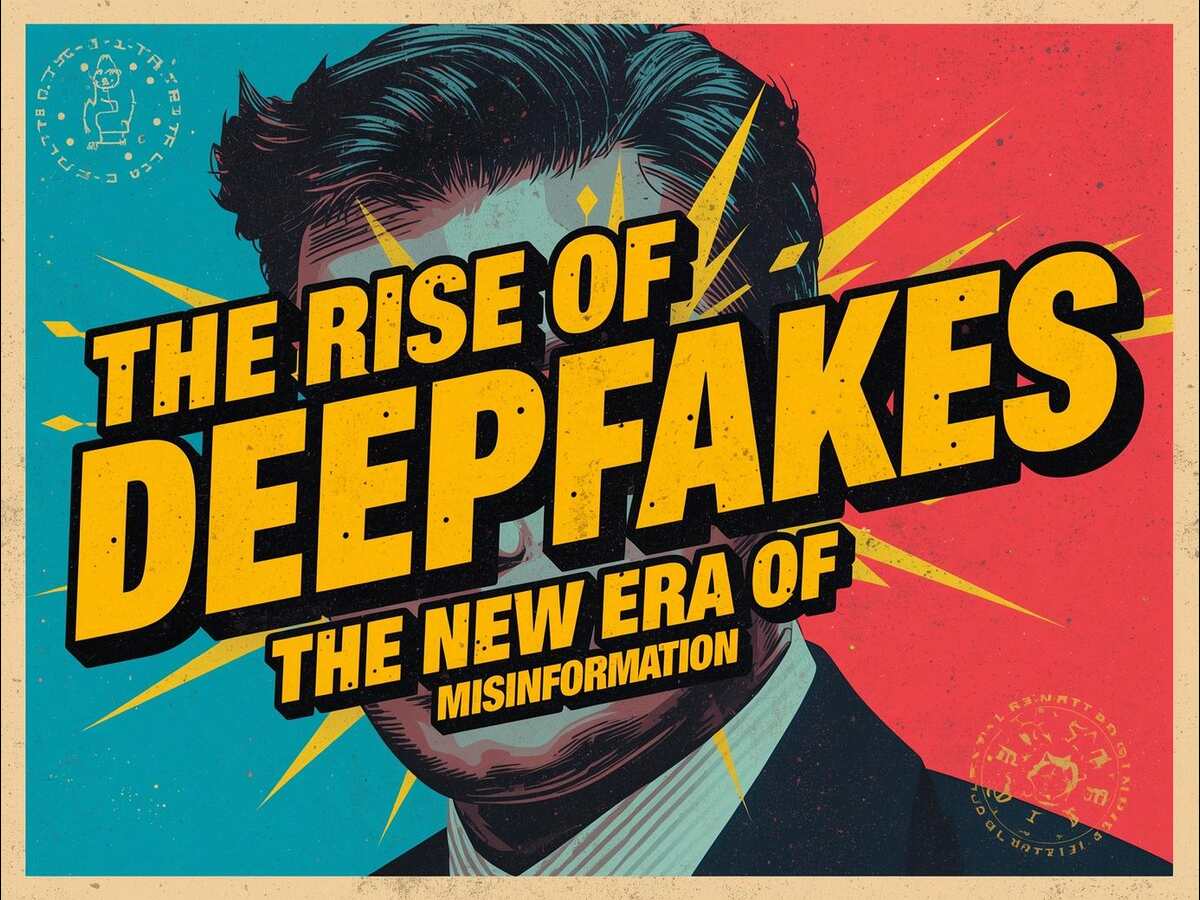
The Rise Of Deepfakes: A New Era Of Misinformation


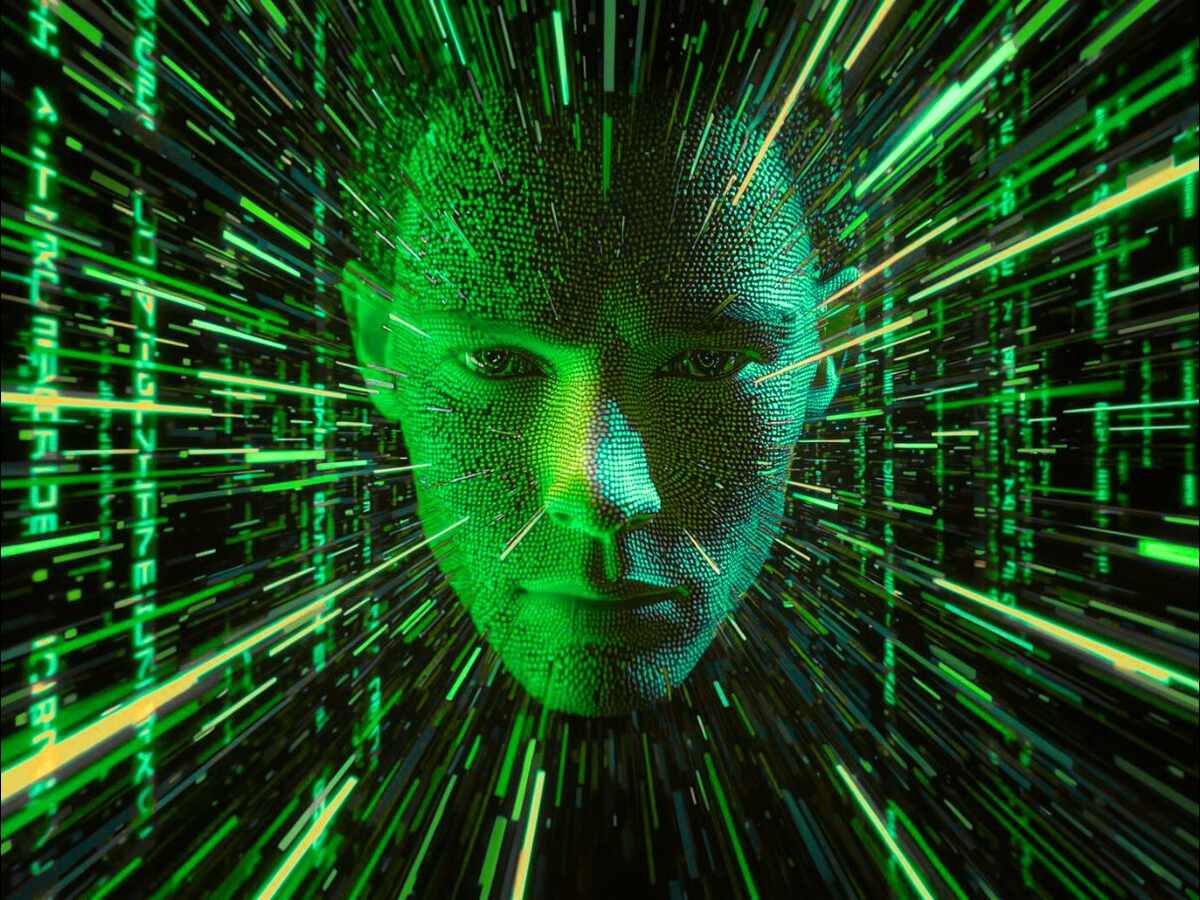
Deepfakes are media files altered using artificial intelligence to replace or synthesize faces, voices, and actions. The technology utilizes deep learning, specifically generative adversarial networks, to create realistic fake content that is indistinguishable from the real thing.
Originally, deepfake technology started as an amusing novelty in apps and filters. Over time, as the technology became more sophisticated, it expanded to serve a variety of purposes, some beneficial, others more troubling. The evolution from simple photographic manipulation to seamless video editing shows an incredible leap in capability over a few short years.
Creating a deepfake isn’t as complex as it might seem. All it takes is the right software and data inputs. While there are many legitimate uses for such AI tools, the relative ease with which someone can produce a convincing fake video or audio poses significant risks. It’s critical to understand how this technology works and to recognize the importance of vigilance and media literacy in today’s digital age.
The Appeal and Risks: Why Deepfakes Capture Our Imagination
Deepfakes have carved out a niche in our digital lives by offering endless creative possibilities. From captivating visual effects in movies to transforming mundane social media content into viral phenomena, these AI-generated media hold an undeniable allure. They provide an engaging playground for creative expression, allowing artists and filmmakers to push boundaries like never before.
Yet the fun and fascination quickly wane when considering how deepfakes can be weaponized to spread misinformation. By putting words in someone’s mouth or making them do things they never did, bad actors can rewrite reality in ways that aren’t only misleading but also dangerous. This risk is amplified in our fast-paced online environment, where misinformation spreads faster than ever.

Humor and virality play significant roles in why people create and share deepfakes. Satirical content and memes often go viral precisely because they blend familiar faces with unexpected actions, creating an instantly shareable moment. However, the blurry line between satire and deception can sometimes lead users astray, shaking their trust in all digital content.
It’s crucial to approach deepfakes with both a sense of wonder at their creative potential and a clear understanding of their risks. Ensuring awareness and critical thinking are necessary in discerning what’s real from what’s merely an illusion in our digital engagements.
The Societal Impacts: Deepfakes and the Erosion of Trust
Deepfakes have the power to undermine trust on a societal level. As they become more convincing, our ability to distinguish between real and artificial diminishes, prompting a broader skepticism toward all media. This skepticism isn’t merely problematic for individuals seeking credible news but fundamentally challenges the integrity of our information ecosystems.
In the personal domain, deepfakes can have devastating effects. Imagine the harm caused by a convincingly tampered video that portrays someone saying or doing something they never did. Such portrayals can wreck personal lives, stir public outrage, and irreparably damage reputations, all stemming from fiction dressed as fact.
The Wisdom Bundle is a carefully curated collection of three eBooks that promises to open your eyes, enrich your mind, and nourish your soul.


Society has already witnessed cases where deepfakes have caused significant disruptions. From manipulated political messages to false evidence in legal scenarios, the technology has shown how it can sway public opinion and cloud objective truth. These instances highlight the urgency of addressing deepfake threats seriously.
Addressing this erosion of trust requires a concerted effort to improve awareness and media literacy. Teaching critical thinking and skepticism as standard practice when consuming digital content can help individuals and communities navigate this new landscape more safely. Our collective trust in the media might rely heavily on these educational efforts.
The Legal and Ethical Maze: Navigating through Uncharted Territory
With deepfakes blurring lines between reality and fabrication, the legal landscape is scrambling to catch up. As of now, laws governing their creation and use lack uniformity across countries, creating a patchwork of regulations that can be challenging to enforce. New legislation aims to tackle the misuse of such technology, but its effectiveness is still in question.
Legal systems face the challenging task not only of identifying deepfakes but also of understanding their intent and potential harm. The sheer volume and speed at which deepfakes can be created further complicates enforcement, meaning many harmful uses might slip through unchecked.
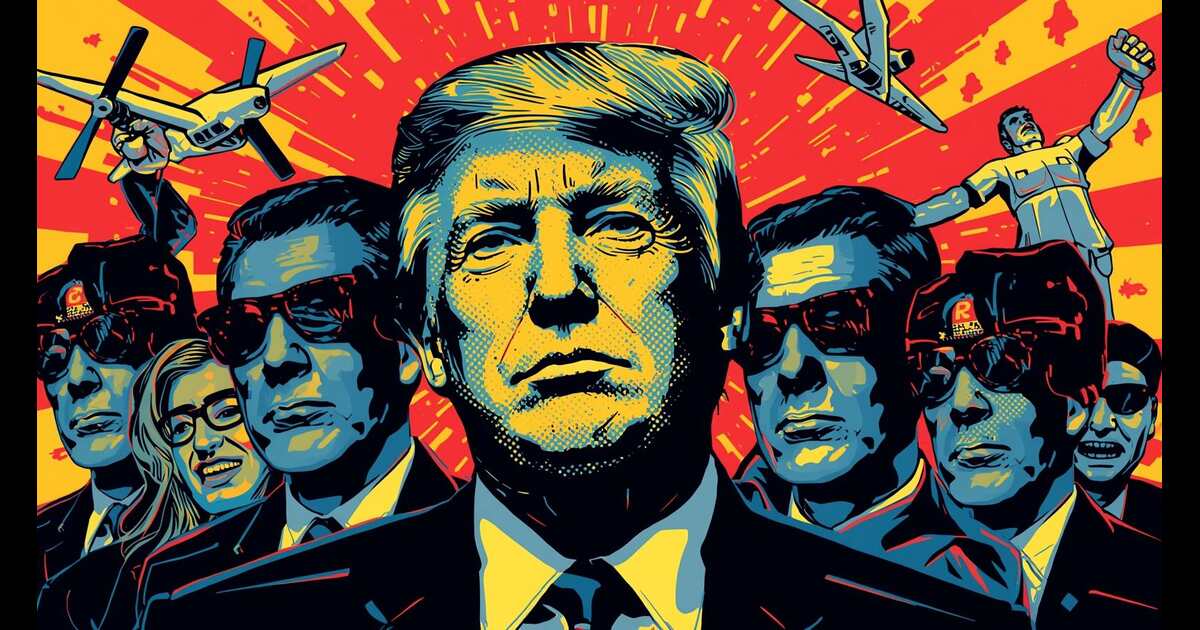
Ethically, the waters become even murkier. While freedom of expression remains a foundational principle, it clashes with the need to protect individuals from false portrayals and unauthorized use of their likenesses. The ethical debate centers on finding a balance in which innovation in digital creation doesn’t come at the cost of personal rights and reputational safety.
Navigating this legal and ethical maze requires both innovation and responsibility. Developing cohesive global frameworks for deepfake governance alongside stringent ethical guidelines can provide a more straightforward path forward. Encouraging creators to adhere to ethical guidelines while innovating can foster a responsible growth of AI-driven media.
The Future of Deepfakes: Opportunities and Solutions
As deepfakes continue to evolve, they present both challenges and opportunities for innovation. The technology behind these digital creations isn’t inherently good or bad, but its application determines its impact. Looking ahead, promising solutions and opportunities may shape the future of AI-mediated content.
In the fight against misinformation, advancements in detection technology are key. Researchers and companies are developing sophisticated tools designed to identify manipulated media and authenticate digital content. These tools can act as a frontline defense against potential abuses of the technology, allowing audiences to differentiate between authentic and falsified media.
If you are looking to reprogram yourself and discover the truth, Ethereal University is the key to mastering your mind, breaking free from illusion, and reclaiming control over your life.
Educating users about the presence and potential effects of deepfakes is paramount. Media literacy programs can empower individuals to critically evaluate the content they consume, promoting a more informed and discerning public. Awareness campaigns can help communities understand how deepfakes work and how to identify them.
Discover Our Featured Articles: Reality Manipulation: How Perception Is Controlled & Distorted
Lastly, the ethical development of AI is critical for the responsible use of deepfake technology. Developers and content creators ideally should adhere to best practices and ethical standards to minimize potential harm. Encouraging responsible innovation and transparent practices can help harness the potential of deepfakes to benefit society, fostering creativity without compromising integrity.
Related Topics