

The Mystery Of The Library Of Alexandria


The Library of Alexandria holds a legendary place in the annals of history. Founded during the reign of Ptolemy I in the vibrant city of Alexandria, this ancient marvel set the standard for what a center of learning could be. It wasn’t just about the collection of volumes; it was a statement of its time, one that echoed the aspirations of creating a hub for knowledge and learning.
People often talk about the library like it’s some kind of historical Shangri-La. Myths about its vastness and the treasures it held have captivated historians and storytellers alike. There’s always this allure about what it might have contained or who might have walked its halls. This aura is what fuels both scholarly debate and popular imagination.
Why is there so much fascination with a library from ancient times? It’s about more than just the books or the scholars. The Library of Alexandria represents an ideal, a symbol of humanity’s quest for knowledge and enlightenment. Even today, it serves as a reminder of the importance of preserving knowledge and learning from history.
The Library of Alexandria: A Centre of Knowledge
The Library of Alexandria wasn’t just stacks of scrolls—it was a melting pot of ideas and innovation. Think about the brightest minds of ancient times wandering those halls. Intellectual heavyweights like Euclid, Archimedes, and even Hypatia, whose groundbreaking contributions continue to shape fields like mathematics and astronomy today. It’s where these scholars came to exchange, debate, and inspire.
In its heyday, the library wasn’t just a book depository; it was the lifeline of ancient civilizations. It played a crucial role in the development of science and philosophy, serving as the nerve center for translating and preserving works from around the known world. This aggregation wasn’t just helping understand the cosmos or humanity—it was pushing the boundaries of what humans could achieve.
The Book of Symbolism is more than a guide to ancient signs; it is a journey into your own consciousness. Every chapter is a step on a journey that will elevate your mind and spirit.

Spreading knowledge was a serious business here. Home to countless scrolls, the library fueled an intellectual revolution by its sheer existence. It was a beacon, drawing scholars from distant lands to share ideas and expand their horizons. This wasn’t just about collecting knowledge; it was about making it accessible, seeding new ideas that would empower societies for generations.
Delving into its impact, you see it set the stage for modern-day research processes. The methodologies and dialogues fostered within those walls laid the groundwork for scientific inquiry and philosophical exploration. In a way, what happened there can still be seen in how we value libraries and learning institutions today. They encourage a similar spirit of inquiry and understanding, adapting the old ideals to fit our ever-evolving world.
The Architecture and Collection: Unveiling the Grandeur
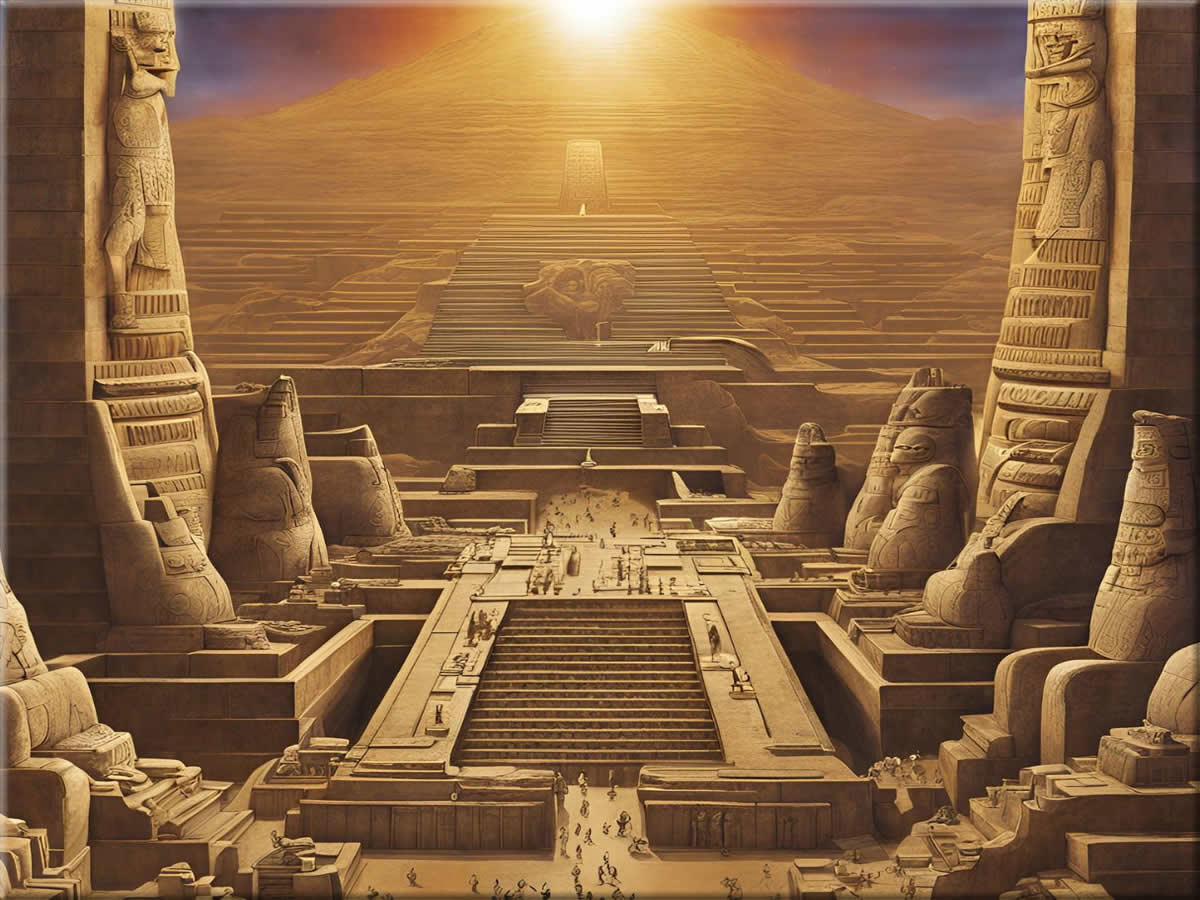
The very structure of the Library of Alexandria was something of a marvel. Accounts depict it as an architectural wonder of the ancient world, blending form with function to create a space befitting its role as a sanctuary of knowledge. It wasn’t just about the books and the halls but how these elements were organized to foster learning and contemplation.
Imagine walking through the corridors, lined with shelves reaching toward ceilings that seemed to touch the sky. More than just housing texts, the design played key roles in enabling discussions and scholarly pursuits, designed for comfort as well as intellectual engagement. Even the way scrolls were cataloged was groundbreaking for its time, offering a precursor to modern bibliographic systems.
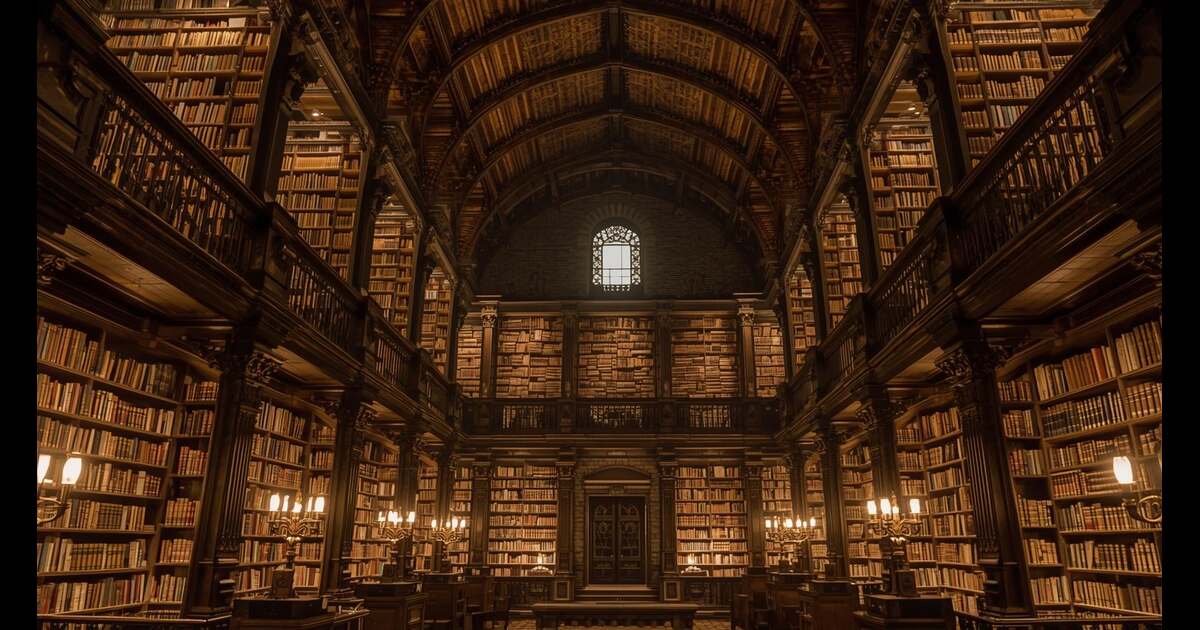
Speaking of scrolls, they were the lifeblood of the library. Its collections were legendary, encompassing works from regions far and wide. From original texts to detailed copies and commentaries, scholars would find mathematics, science, philosophy, mythology, and more. This treasure trove gave life to a range of disciplines, planting seeds for advancements seen centuries later.
While exact details about its dimensions and layout remain a mystery, historical records point to innovations in document preservation and cataloging techniques, shedding light on how seriously they took their mission of protecting knowledge. Such meticulous care ensured that these texts could be studied thoroughly and systematically, paving the way for future libraries.
Beyond its grandeur and extensive collection, the library was an environment that symbolized human curiosity and ambition. It shows us how far structures of support and protection of knowledge have come and why they continue to matter in our overcrowded information age. Investing in knowledge isn’t just about gathering data; it’s about creating inviting spaces to explore and expand horizons.
The Fall of the Library: Unraveling the Mystery
The demise of the Library of Alexandria is a tale shrouded in mystery and debate. Several theories circulate about how such a monumental institution met its end, yet the truth remains elusive. Some say it was destroyed in a catastrophic fire, others talk about the gradual decay due to neglect or political shifts.
Various historical accounts point to multiple events. Julius Caesar’s siege of Alexandria is often cited as a potential cause of damage. Later, disturbances during the reigns of Roman Emperors and the rise of Christianity are also implicated in contributing to its downfall. There is suspicion that Christian leaders of that time, ordered the library’s destruction to suppress the knowledge that opposed their doctrine. But no single narrative gives us the full picture.
The Wisdom Bundle is a carefully curated collection of three eBooks that promises to open your eyes, enrich your mind, and nourish your soul.

However, these theories highlight how something so grand could crumble under the pressures of time. They serve as a reminder of the vulnerabilities of even the most esteemed institutions, showing that the pursuit of knowledge is often at the mercy of larger societal transformations.
The implications of losing such a repository are vast. It’s like imagining a world without any means of preserving or sharing knowledge. The loss set back scientific and philosophical progress and us to reconsider how we value and safeguard intellectual treasures today.
This mystery stirs emotions and thoughts about how critical it is to protect and preserve knowledge. We learn not only from successes but also from failures and losses. Today’s digital era faces similar challenges but with core differences, prompting a continued dialogue on the accessibility and preservation of knowledge.
Cultural Legacy and Modern Perspectives
The Library of Alexandria might have vanished centuries ago, but its cultural legacy is alive and well. It continues to inspire our modern world, reflecting in every library and center of learning striving to embody its spirit. Movies, books, and art often depict its grandeur, feeding an undying fascination with what might have been.
There’s been no lack of efforts to revive its glory in modern-day endeavors. The most notable of these is the Bibliotheca Alexandrina, inaugurated in 2002 in Alexandria. This modern library aims to recapture the essence of its famed predecessor by collecting and disseminating knowledge across the globe. It’s a testament to the enduring dream of a hub for cultural and intellectual exchange.

The story of the Library of Alexandria urges us to appreciate the significance of knowledge preservation. As we navigate an era marked by rapid technological progress and information sharing, valuing and protecting our intellectual treasures becomes crucial. It’s about building systems robust enough to withstand the tests of time while remaining open and accessible to all.
Discover Our Featured Articles: Forbidden History: Hidden Narratives & Suppressed Knowledge
The symbolic power of the Library of Alexandria endures, reminding us of the timeless pursuit of understanding and wisdom. It’s about more than just looking back at a lost world; it’s about moving forward, learning from the past to better shape the future of learning, preserving knowledge for generations to come.
This topic is part of the broader Forbidden History framework, where hidden narratives, censored discoveries and supressed knowledge, are explored in depth.
Related Topics