

The Concept Of Karma Across Different Cultures


The concept of karma is often described as a mystical force that influences our destiny based on our actions, but it’s really about cause and effect. When you do something good, it tends to lead to positive outcomes. Similarly, negative actions might lead to less-than-favorable results. Think of karma as that chain reaction that starts with what you do, guides the path life takes, and eventually circles back.
Many cultures and religions see karma differently. In Hinduism, it’s deeply intertwined with spiritual practice and the journey of the soul, while in Buddhism, it’s more about the intention behind actions influencing future rebirths. Outside these, some interpret karma through the lens of their personal beliefs and experiences, be it philosophical or spiritual.
Check out more videos on our YouTube channel
There are several myths circulating about karma that somewhat distort reality. It’s not about instant retaliation for every small mistake, nor is it controlled by some divine intervention testing us at every turn. Sure, it’s enticing to think that the universe will instantly repay every good deed, but karma is subtler and often plays out over longer time scales.
People often get caught up in thinking of karma as a purely spiritual concept, when it can be seen in everyday interactions. Just look at how positive vibes in a workplace improve collaboration and happiness. The idea is simple: actions influence reactions, which is a concept anyone can relate to, regardless of religious or spiritual belief.
The Concept of Karma In Hinduism: The Cycle of Samsara
In Hinduism, karma isn’t just a philosophical idea; it’s a central pillar holding up the entire belief system. It guides the soul in its journey, deeply interwoven with the concepts of dharma (duty) and moksha (liberation). The idea is pretty straightforward: every action has a consequence, shaping your future incarnations and eventual liberation.
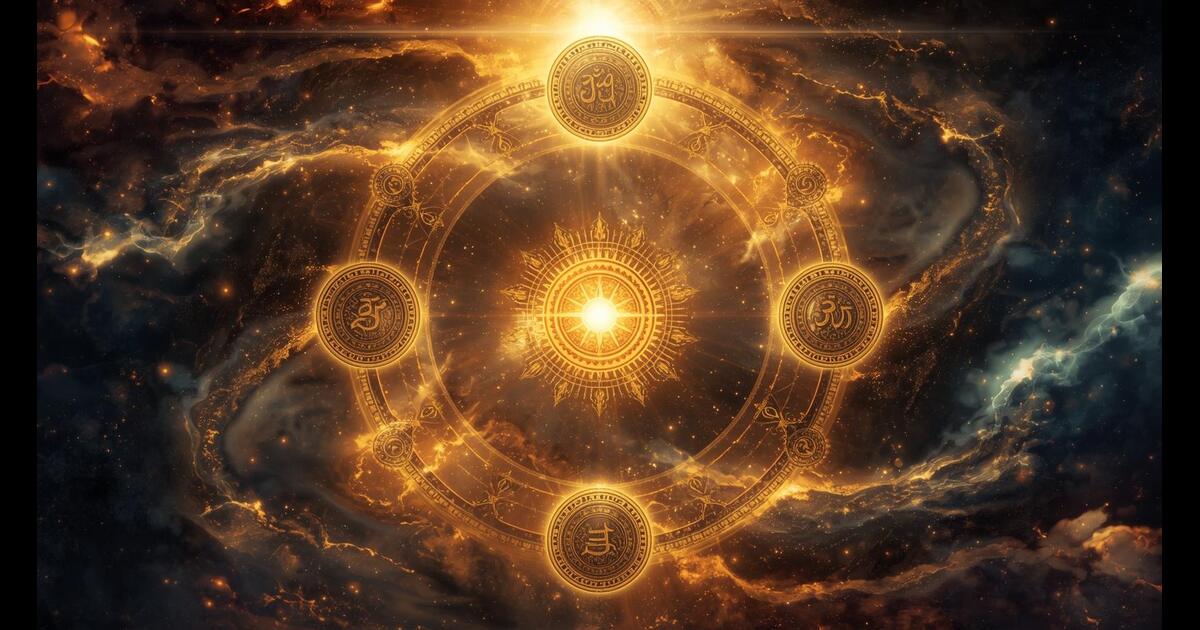
Hindu texts lay out the path for understanding karma through the cycle of samsara, which is basically the cycle of birth, death, and rebirth. Imagine a spiritual ledger that records every action, good or bad. This record determines the nature of your next life until the ultimate goal of moksha is achieved, freeing the soul from this cycle.
Karma here is about balance — not just in your actions, but in your mind and spirit as well. Aligning your actions with dharma helps generate positive karma, steering you towards moksha. It can get a bit complex, with karmic debts and rewards influencing the spiritual path, but that’s the heart of practicing this idea.
Living in line with these principles isn’t just about future lives. It also boosts your current life by encouraging you to act selflessly and morally. This may lead to a happier, more fulfilled experience as positive actions tend to foster good relationships and personal growth. Hinduism encourages a mindful approach to karma, emphasizing duty and harmony now and in the future.
Buddhism’s Perspective: Karma And Rebirth
Buddhism offers a unique take on karma, focusing on intention rather than just action. It’s not so much about the deed itself, but what’s going on in your head when you do it. This perspective adds a rich layer of depth to understanding how karma influences life, steering the cycle of rebirth.
Central to Buddhist karma is the idea that our actions have consequences that manifest not only in this life but also in future rebirths. Every intention, every thought, and every action shapes your journey in the circle of samsara, much like casting stones into a pond creates ripples that extend outward.
The Book of Symbolism is more than a guide to ancient signs; it is a journey into your own consciousness. Every chapter is a step on a journey that will elevate your mind and spirit.

In Buddhism, karma also ties into the Four Noble Truths and the Eightfold Path. These teachings guide your actions, helping you create positive karma that propels you toward enlightenment. Practicing right action, right intention, and right mindfulness are crucial aspects of this path, each fostering a deeper understanding of how our actions affect ourselves and the world around us.
It’s essential to focus on mindfulness and awareness in every moment as these lay the groundwork for positive karma. This means being conscious of your intentions, ensuring they align with compassion and wisdom. Such mindfulness can transform everyday actions into steps toward spiritual awakening, seen as a key goal in Buddhist practices.
Ultimately, embracing karma in the Buddhist sense offers a path to reduce suffering and increase happiness and peace. By cultivating good intentions and actions, you’re not just working towards a better rebirth, but a more mindful, fulfilling life right here and now.
The Concept of Karma in Western Culture
Karma has been making waves in Western culture, often taking on a slightly different look than its traditional roots. Here, it’s usually less about the spiritual and more about moral justice and acts of kindness coming full circle. It’s what many call “what goes around comes around.”
Westerners often encounter karma through New Age philosophies, which blend Buddhist thought with a dash of universal spirituality. This version of karma promotes positive energy and doing good as ways to achieve personal success and balance. It’s not about reincarnation or liberation from samsara, but creating a better life right now.

In pop culture, karma frequently appears in movies, music, and literature, often as a plot device in which characters receive their comeuppance or rewards. This portrayal simplifies karma while highlighting its central theme: our actions directly affect future outcomes.
While you might not see the traditional spiritual context, many people adopt karma as a guiding principle for daily conduct. The idea here is to cultivate positivity, kindness, and a bit of empathy, banking on the belief that these qualities will attract good fortune and happiness.
Even though the Western take on karma sometimes downplays its philosophical depth, it does point out a universal truth: our actions matter. This contemporary angle encourages people to think before they act, nurturing a sense of responsibility and awareness that’s crucial in today’s fast-paced world.
Personal Growth: The Impact of Karma on Daily Life
Karma isn’t just a philosophical or religious idea; it can be a practical guide for personal development. By understanding and applying the principles of karma, you can positively impact your life.
One way to start embracing karma is through mindful living. Being aware of your actions and their potential consequences encourages thoughtful decision-making, which can lead to more positive outcomes in both personal and professional settings.
Incorporating karma into daily life might mean practicing kindness and generosity without expecting anything in return. These actions plant the seeds for positivity and create an environment of goodwill that benefits everyone around you.
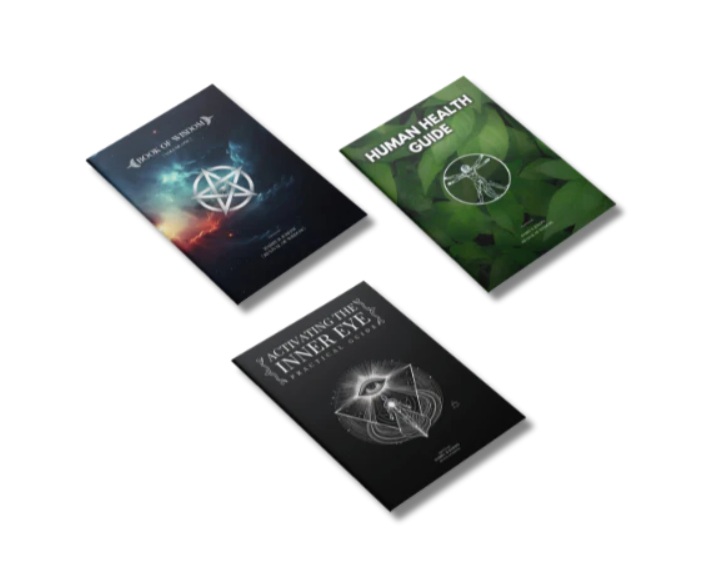
The Wisdom Bundle is a carefully curated collection of three eBooks that promises to open your eyes, enrich your mind, and nourish your soul.
Reflecting on past actions can also offer valuable insights. Consider the effects of your previous decisions, both good and bad, and use these lessons to make better choices in the future. This reflection process aligns actions with values and fosters growth.
The concept of karma also reinforces personal accountability. Understanding that every action counts can motivate you to act with integrity and empathy, fostering trust and respect from others.
Discover Our Featured Articles: Esoteric Wisdom: Ancient Teachings & Inner Awakening
In the long term, embracing karma can lead to a more harmonious life. It’s about striking a balance between personal desires and others’ well-being. This balanced approach not only enhances personal satisfaction but also builds a supportive, compassionate community around you.
This topic is part of the broader Esoteric Wisdom framework, where ancient symbolic systems, consciousness studies, and hidden philosophical traditions are explored in depth.
Related Topics