
Islamic Extremism: Exploring Women’s Dynamics Within Violent Movements


Throughout history, women have played multifaceted roles within the sphere of Islamic extremism. Initially perceived merely as victims or passive participants, their involvement is actually more complex and varied. Historically, women have served as vital supporters and, in some scenarios, active members within jihadist operations. So, exploring women’s dynamics within violent Islamic extremism is crucial to understand why they are so why are they so devoted to such a movement.
Women in extremist groups often take on roles that range from logistical support, such as handling financial transactions or communication, to being the faces of propaganda. Some become recruiters themselves, luring others into the folds with promises of empowerment or belonging.
So what pulls women into these extremist circles? Many seek identity and purpose in environments that offer little else in terms of opportunity. They may feel a sense of duty or see a chance for power within a patriarchal system that otherwise marginalizes them.
But the roles women adopt in these environments aren’t merely about personal fulfillment. Their involvement has larger ramifications on their families and communities, perpetuating cycles of violence and cultural stigmatization, often leaving deep societal scars.
A deeper look also reveals the active participation of women in jihad, not just as supporters but occasionally as combatants. These choices can lead to severe consequences, ranging from social ostracization to legal repercussions. Understanding these dynamics sheds light on the broader socio-political issues at play in regions plagued by extremism.
The Deeply Rooted Ideological Convictions
Women have increasingly become key players in violent extremist groups, spurred by a mix of economic, social, and ideological motivations. While some are drawn by promises of financial stability or social belonging, others are motivated by deeply rooted ideological convictions based on their religion. It’s a complex interplay of factors providing women with seemingly compelling reasons to join these movements.
Within these groups, women don’t just play supportive roles. Many take on positions as combatants, recruiters, or propagandists, challenging traditional gender norms in unexpected and troubling ways. These roles often carry significant influence, although they might not always be visible on the surface. Examining these dynamics helps to understand the broader picture of extremism.
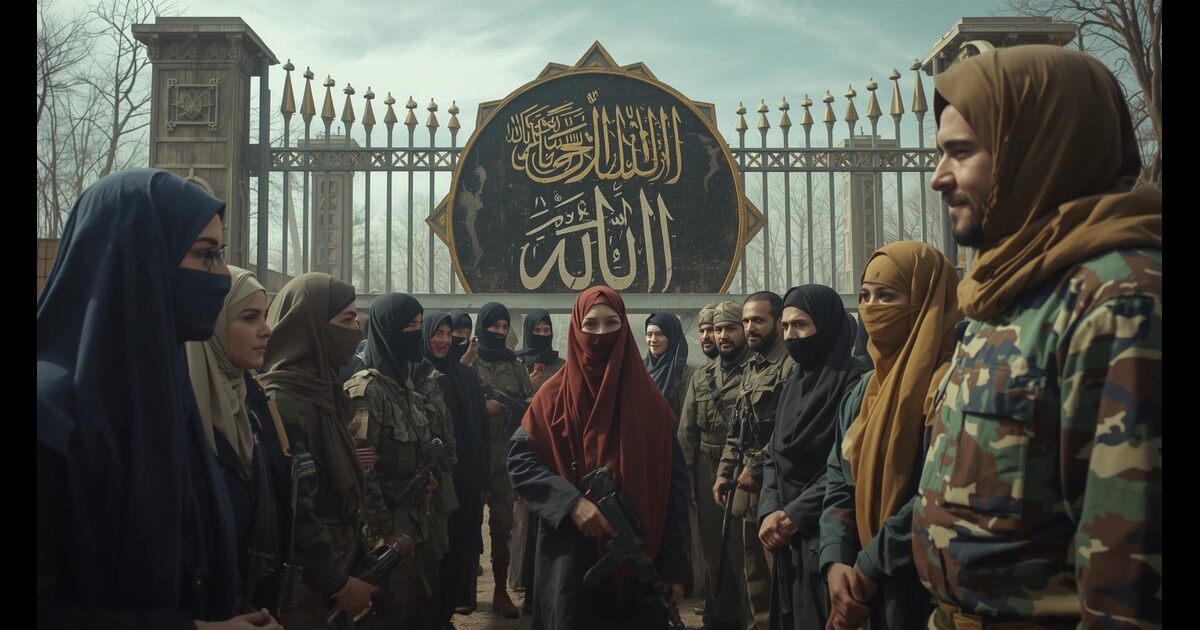
Specific case studies of well-known female figures within extremist movements reveal a lot about this trend. These stories not only highlight the diverse reasons behind their involvement but also challenge our perceptions of women’s roles in these violent networks.
Women’s participation in islamic extremism affects how societies perceive traditional gender roles. By stepping into roles traditionally reserved for men, women in these groups both reinforce and subvert cultural norms, complicating the fight against extremism. Recognizing this shift is crucial for developing effective counter-strategies.
Gendered Motivations and Recruitment Tactics
Violent extremist groups have become adept at crafting gender-specific narratives to lure women into their folds. These groups exploit personal and societal vulnerabilities, with promises often tailored to resonate with women’s unique circumstances.
By framing participation as an opportunity for empowerment, extremists tap into desires for agency in patriarchal societies. Yet, this so-called empowerment is often a mirage, hiding the more oppressive realities within these movements. Awareness of these recruitment tactics is vital for developing more effective preventive measures.

Media portrayal plays a significant role in shaping women’s recruitment. Often, sensationalist depictions can glamorize or legitimize the roles women play in these groups, inadvertently serving as recruitment tools themselves.
Understanding these gendered recruitment strategies enables communities, policymakers, and activists to counter these narratives more effectively. Implementing awareness campaigns that highlight the misinformation extremists use can undermine their influence. Acknowledging the complexities of why women join and the roles they play is the first step in formulating effective intervention strategies.
Societal and Structural Factors Influencing Female Extremism
Societal oppression and gender inequities can’t be overlooked when examining why some women find extremism appealing. Many are drawn in by the promise of addressing grievances stemming from living under oppressive social norms and economic hardships. This sense of inequity can act as a catalyst for radicalization.
Patriarchal structures often play a significant role in women’s involvement in violent movements. These environments can foster feelings of disempowerment and marginalization, leading some women to seek opportunities for influence and recognition in extremist groups where they feel more valued.

The interplay between religion, violence, ideology, and identity forms a unique triangle for women in extremist settings. Many are searching for a space where their identities can be affirmed in ways they haven’t been by broader society. Ideology often provides a framework for understanding their position and justifying their actions deemed necessary by extremist groups.
Family and community dynamics are also crucial. They can either deter or unintentionally promote extremism. Strong, supportive networks often serve as a deterrent, whereas fractured ones can leave women vulnerable to extremist recruitment. Addressing these structural factors involves not just policy changes but also grassroots efforts that reinforce community resilience and support systems.
Confronting Discrimination: Women’s Rights under the Shadows of Islamic Extremism
In regions impacted by Islamic extremism, women’s rights often face immense challenges. Culturally ingrained barriers and rigid interpretations of religious texts severely limit women’s freedoms, leading to systemic discrimination. Social norms in these environments frequently uphold male authority, reinforcing a cycle that restricts women’s roles and rights.
Examples of this discrimination include denial of education, restricted mobility, and a lack of representation in political or social settings. These limitations not only hinder personal growth but also perpetuate gender inequality across generations.

Despite the overwhelming odds, many women refuse to remain silent and have become vocal advocates for change. Through activism and resistance, they fight back against patriarchal and extremist narratives, often at significant personal risk. Their courage sparks movements and inspires others globally to support gender equality initiatives.
The psychological toll of living under such restrictive conditions can’t be overlooked, affecting mental health and well-being. Women often grapple with anxiety, depression, and trauma stemming from their marginalized status. Addressing these mental health issues is crucial for fostering resilience and hope among affected women.
Encouragingly, there are progressive reforms underway, backed by global and local organizations striving to bolster women’s rights. Initiatives focus on increasing access to education, providing legal aid, and offering psychological support. Supporting these efforts is essential in shifting cultural paradigms and promoting gender equality in the long run.
Prevention and Rehabilitation: Strategies for Supporting Women
Supporting women in steering clear of extremist pathways begins with education and economic empowerment. These are tools that can significantly shift the trajectory for women at risk of radicalization. By providing alternative narratives and opportunities, communities can build resilience against extremist ideologies.
Effective rehabilitation programs are crucial for those working to disengage from violent extremism. These initiatives should address the psychological and societal challenges women face, helping them reintegrate into society. Tailored approaches that consider gender-specific needs and experiences make rehabilitation efforts more impactful.
If you are looking to reprogram yourself and discover the truth, Ethereal University is the key to mastering your mind, breaking free from illusion, and reclaiming control over your life.


Education plays a dual role in both prevention and rehabilitation. Providing women and girls with quality education opens doors to economic opportunities and empowerment, reducing the lure of extremist narratives. Meanwhile, education within rehabilitation programs can offer women the skills and knowledge they need to rebuild their lives.
Hearing stories from women who have left Islamic extremist movements successfully is powerful. It not only shows that disengagement is possible but also provides relatable role models for those considering leaving or resisting these groups. These narratives can be a source of inspiration and demonstrate the transformative power of community support and personal resilience.
Communities hold the key to resisting and preventing violent extremism. Encouraging community-led initiatives fosters local ownership of the problem and its solutions, creating an environment that dissuades radicalization. Building strong, interconnected communities helps diminish the isolation and disenfranchisement often exploited by extremist recruiters.
Related Topics