
Esoteric Wisdom: Ancient Teachings & Inner Awakening


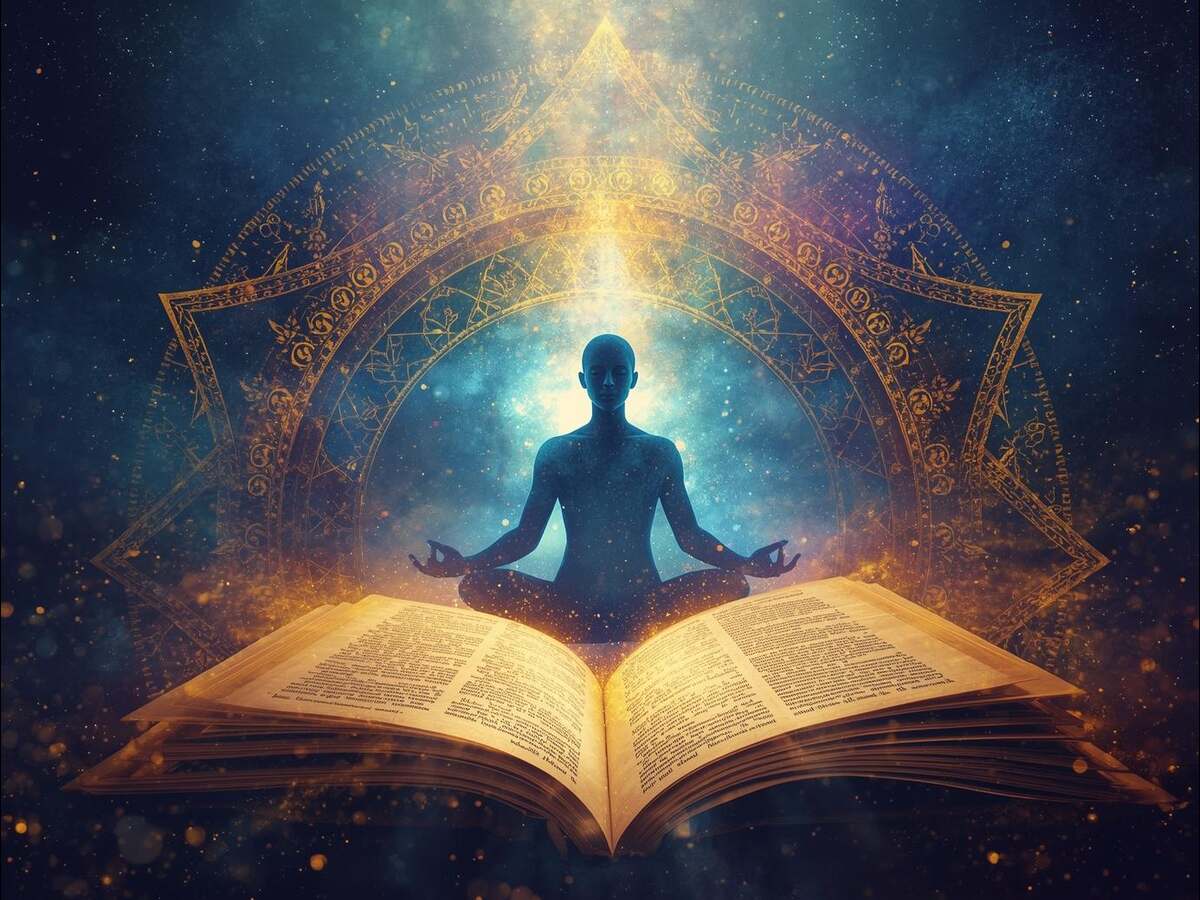
The core of esoteric wisdom lies in the belief that reality is multi-layered. What we perceive with our five senses is merely the “exoteric” or outer shell. The “inner” knowledge seeks to peel back this veil, revealing the energetic blueprints and spiritual laws that govern our lives.
This journey is often described as the Path of Return. It suggests that human consciousness has become “fragmented” or lost in the material world, and esoteric practices serve as a map to rediscover our original, unified state. For the seeker, this isn’t just an intellectual exercise; it is a profound psychological and spiritual transmutation.
Traditionally, this wisdom remained “hidden” not to be elitist, but for safety and efficacy. Ancient schools—from the Pythagoreans to the Alchemists, knew that profound truths could be overwhelming or even dangerous if the ego wasn’t properly prepared. Thus, the “initiate” undergoes a process of purification, ensuring that as their consciousness expands, their character remains grounded in ethics and responsibility.
Ultimately, esoteric wisdom teaches that the greatest mystery of the universe is not found in the stars, but within the depths of the human soul.
What Is Esoteric Wisdom?
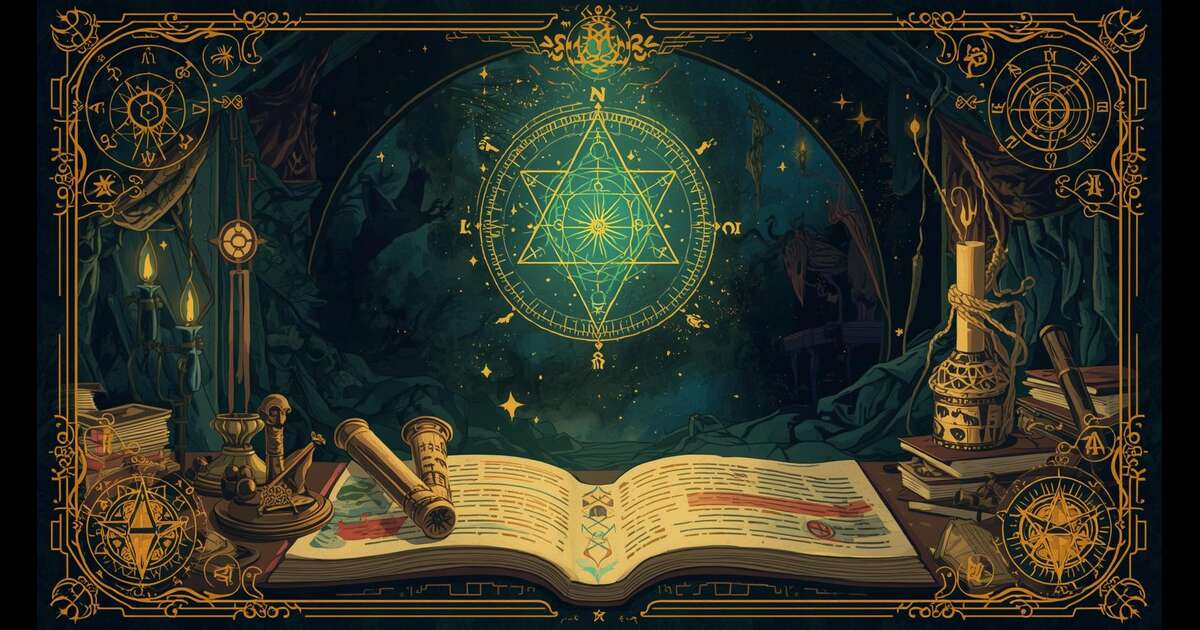
Esoteric wisdom refers to ancient teachings of esoteric practicies, hidden or inner knowledge traditionally reserved for initiates, seekers, or those prepared to understand deeper truths about existence, consciousness, and reality.
The word esoteric comes from the Greek esōterikos, meaning “inner.” Unlike exoteric knowledge — which is public, surface-level, and widely accessible — esoteric teachings are symbolic, layered, and often encoded. Greek mystery schools — including the Eleusinian Mysteries and Orphic traditions — transmitted symbolic rituals designed to transform perception.
At its core, esoteric wisdom explores:
- The nature of consciousness
- The structure of reality
- The laws governing the universe
- The process of inner transformation
Rather than offering dogma, it offers frameworks — symbolic systems designed to awaken perception.
Esoteric traditions are not modern inventions. They trace back thousands of years across multiple civilizations. Ancient Egypt is often considered one of the earliest structured centers of esoteric initiation. Teachings related to the soul, cosmic order (Ma’at), and symbolic resurrection later influenced Greek philosophy.
Ancient Hermetic, Gnostic, and Eastern Systems
The Hermetic teachings, attributed to Hermes Trismegistus, form one of the foundational pillars of Western esotericism.
Core Hermetic principles include:
- Correspondence (“As above, so below”)
- Mentalism (reality as mind-like)
- Polarity
- Rhythm
- Cause and effect
These principles are not religious doctrines. They are metaphysical laws describing patterns observable in both consciousness and nature. Hermeticism later influenced alchemy, Renaissance philosophy, Rosicrucianism, and even early scientific thinkers.
On the other hand, Gnosticism emphasized direct knowledge (gnosis) of divine reality within the individual. Rather than focusing on external authority, Gnostic teachings suggested that awakening happens through inner realization. Symbols such as light, darkness, and awakening recur across traditions — not as mythology, but as psychological metaphors.
Similarly, eastern esoteric systems like Buddhism dismantle the illusion of Maya. They provide meditative tools to dissolve the ego and reveal your true nature.
Parallel esoteric systems developed in the East:
- Tantra (India and Tibet)
- Taoist inner alchemy (China)
- Yogic philosophy
- Zen Buddhism
While culturally different, they share common themes:
- Energy as foundational
- Consciousness as primary
- Self-realization as liberation
Across civilizations, the language differs. The pattern remains.
Core Branches of Esoteric Wisdom
The core branches of esoteric wisdom provide a comprehensive toolkit for deconstructing reality and reclaiming cognitive sovereignty. Together, these disciplines form a coherent system that maps the unseen forces governing both the universe and the human mind.
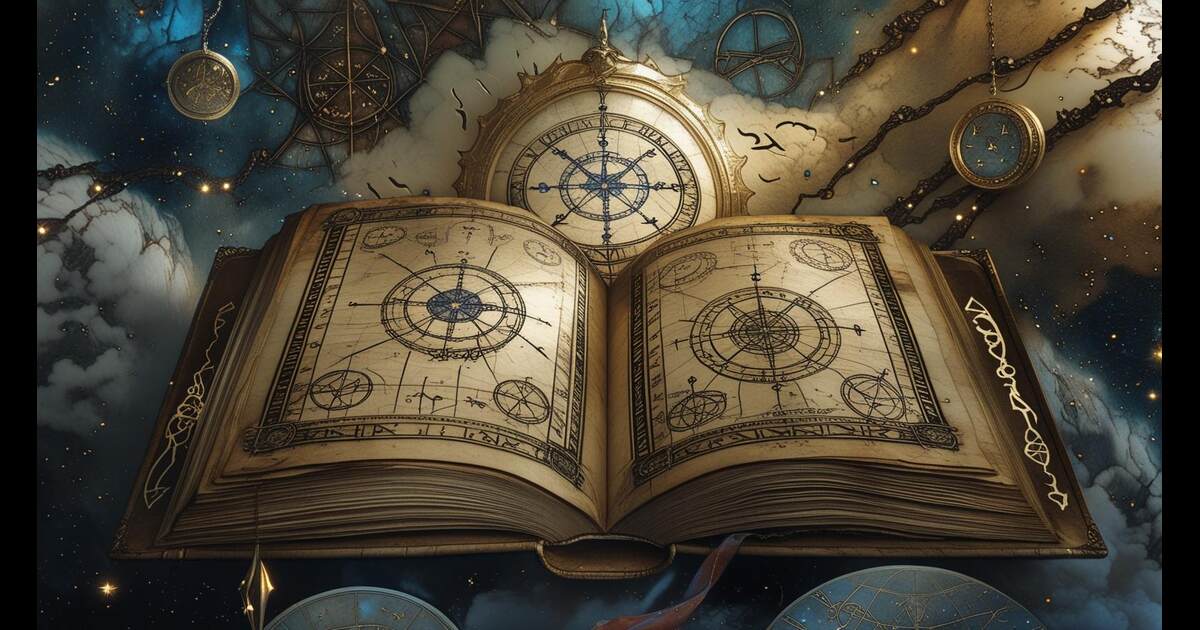
Sacred geomertry and numerology establish the structural foundation of the universe. Building upon this, the Hermetic Laws and alchemy provide the essential mechanics for active transormation. At the same time, astrology and spirituality connect the individual directly to the macrocosm. Ultimately, holism synthesizes these diverse branches into a unifed and coherent worldview.
Sacred Geometry
Sacred geometry reveals the hidden mathematical blueprint of the universe. By mapping fundamental patterns like the Flower of Life, these geometric forms bridge the gap between physical matter and spiritual consciousness. Practitioners use these proportions to harmonize their energy and synchronize their perception with the natural rhythms of creation.
From the Flower of Life to the Golden Ratio, geometric structures appear in:
- Nature
- Architecture
- Ancient art
- Human biology
Esoteric traditions suggest geometry is not decorative — it is structural. It reflects the blueprint of manifestation. Modern science increasingly recognizes fractals, harmonic ratios, and symmetry as foundational to physical systems. Esoteric geometry anticipated these insights symbolically long before formal mathematics described them analytically.
Browse Our Most Impactful Reads: Sacred Geometry: The Connection Between Spirituality And Science
Alchemy and Inner Transformation
Alchemy is often misunderstood as an attempt to turn lead into gold. However, alchemy actually transforms the lead of base consciousness into the gold of spiritual enlightenment. By applying the “solve et coagula” principle, you dissolve rigid ego structures and reassemble a refined, sovereign self. This internal process purifies your perception, turning personal suffering into a catalyst for profound psychological rebirth.
The alchemical stages — nigredo, albedo, rubedo — describe a process:
- Dissolution of ego constructs
- Purification and restructuring
- Integration and wholeness
In its deeper interpretation, alchemy symbolizes psychological and spiritual transformation. Lead represents unconsciousness. Gold represents integrated awareness.
Carl Jung later interpreted alchemy as a symbolic map of individuation — the integration of conscious and unconscious aspects of the psyche.
Browse Our Most Impactful Reads: The Alchemy Of Ancient Wisdom
Hermetic Laws
The Seven Hermetic Laws actively govern the mechanics of the universe, from mentalism to vibration. By mastering these principles, you align your personal energy with cosmic patterns rather than falling prey to external manipulation. This ancient framework empowers you to transmute your mental state and consciously command your own reality
Rather than supernatural claims, it describes structural principles observable in:
- Psychology
- Social systems
- Cycles of history
- Natural processes
For example:
- Polarity explains how opposites exist on the same spectrum.
- Mentalism asserts that the universe originates from a divine mind.
- Rhythm explains cyclical change in markets, emotions, and civilizations.
- Cause and Effect ensures that every specific action triggers a corresponding reaction.
- Vibration reveals that everything in existence moves and vibrates at its own unique frequency.
- Correspondence explains mirrored patterns between micro and macro systems.
- Gender manifests in everything as masculine and feminine energies.
Hermetic philosophy provides a framework for understanding universal patterns. So, these laws function as cognitive lenses — tools for perceiving structure.
Browse Our Most Impactful Reads: Unlock The Secrets Of The Seven Hermetic Laws
Numerology and The Vibrations of Numbers
Numerology is the science of cosmic vibrations and the language of universal patterns. It is used to decode the ‘mathematical blueprint’ of the soul and the rhythm of existence. In other words, numerology explores the symbolic and structural significance of numbers beyond mathematics.
Numerology teaches that numbers are not merely symbols of quantity, but the fundamental building blocks of the universe, carrying a specific frequency or vibration. From Pythagorean philosophy to sacred geometry, numerical patterns are seen as underlying order within apparent chaos.
Esoteric numerology uses name (turned into numbers) and date of birth to reveal:
- The Path of Destiny: What lesson a person must learn.
- Desire of the Heart: What the soul truly wants in this life.
- Karmic Debts: Challenges carried over from past experiences.
In an esoteric framework, numerology becomes a method of decoding patterns — in cycles, identities, and collective movements — revealing hidden structures within lived experience.
Browse Our Most Impactful Reads: Numerology – The Power of Numbers.
Astrology and Cosmic Cycles
Astrology, in its esoteric dimension, is not merely predictive practice but a symbolic language describing cyclical patterns of consciousness and collective evolution. Rather than determining fate, astrology provides archetypal frameworks through which individuals interpret psychological tendencies, timing cycles, and transformational phases.
Esoteric astrology focuses on the evolution of the soul and the inner spiritual path. It’s used to decode the “hidden rhythms” of the universe.
Ancient civilizations used astronomical cycles to:
- Mark agricultural patterns
- Predict social shifts
- Understand personality archetypes
They observed celestial movements as reflections of inner and societal rhythms.
Within esoteric knowledge, astrology functions as a bridge between macrocosm and microcosm — illustrating the principle that patterns repeat across scales of reality.
Browse Our Most Impactful Reads: Astrology – The Forbidden Knowledge
Karma and the Law of Cause and Effect
Karma, often simplified in popular discourse, originally refers to a universal principle of cause and effect operating across physical, psychological, and ethical dimensions.
Esoteric interpretations of karma emphasize responsibility rather than punishment. Every thought, action, and intention generates consequences — shaping both inner development and external circumstances.
The concept of karma is divided into three main pillars:
- Cause And Effect
- What Goes Around, Comes Around
- As You Sow, So Shall You Reap
Rather than fatalism, karma introduces awareness of interconnected systems, encouraging conscious participation in the unfolding of experience.
Browse Our Most Impactful Reads: Karma – The Consequences of Past Acts
Spirituality Beyond Institutional Religion
Spirituality, in esoteric terms, refers to direct exploration of consciousness rather than adherence to external authority. It emphasizes experience over doctrine and awareness over belief.
When detached from dogmatic structures, spirituality becomes a method of:
- Cultivating perception,
- Self-reflection,
- Expanded awareness
Across traditions, spiritual practice aims at inner integration — aligning thought, emotion, and action with deeper principles of coherence.
Browse Our Most Impactful Reads: Journey to Spiritual Awakening
Holistic Lifestyle as Applied Esoteric Practice
A holistic lifestyle represents the practical integration of esoteric principles into daily living. Instead of remaining abstract philosophy, symbolic knowledge becomes embodied through habits, environment, and relational dynamics.
Holistic approaches recognize the interconnection between:
- Mind and body
- Emotion and physiology
- Individual and environment
In this sense, holistic living operationalizes esoteric wisdom — translating symbolic insight into lived structure.
Browse Our Most Impactful Reads: Holistic Lifestyle: Connect To The Nature
Esoteric Wisdom and Consciousness
Esoteric wisdom actively cultivates higher consciousness by stripping away cultural conditioning and sensory illusions. These traditions provide rigorous mental frameworks that sharpen your intuition and expand your awareness. By integrating this hidden knowledge, you transcend ordinary perception and access a deeper, more objective understanding of your own existence.
A central theme across all esoteric traditions is the primacy of consciousness. Rather than treating awareness as a byproduct of matter, many systems invert the hierarchy: consciousness precedes form.
This philosophical position appears in:
- Idealist metaphysics
- Quantum interpretations
- Mystical traditions
Whether one interprets these claims symbolically or literally, the emphasis on self-observation remains constant.
Esoteric wisdom encourages:
- Reflective thinking
- Awareness of cognitive bias
- Examination of belief systems
- Direct experience over blind acceptance
In this sense, esoteric practice aligns with disciplined inquiry rather than superstition.
The Psychological Dimension of Esoteric Practice
Modern psychology provides useful parallels to ancient wisdom. For instance, shadow work directly mirrors the process of alchemical transformation. Similarly, the study of archetypes mirrors complex mythological symbolism. Ultimately, modern mindfulness practices mirror the initiatory awareness techniques used by ancient mystery schools.
When stripped of dogma, esoteric wisdom often describes:
- Cognitive integration
- Emotional regulation
- Identity restructuring
- Perceptual expansion
In this way, esoteric frameworks can be approached as symbolic psychology.
Why Was Esoteric Knowledge Hidden?
Historically, certain knowledge was restricted for three main reasons:
- Misinterpretation
- Psychological readiness
- Social power dynamics
Complex symbolic systems require maturity and discernment. Without context, metaphors can be taken literally. Additionally, institutions often controlled access to knowledge as a means of maintaining authority. However, in the digital age, information is widely available. The challenge is no longer access — it is discernment.
The New Age Movement and the Revival of Esoteric Thought
The New Age movement reintroduced many ancient esoteric concepts into mainstream awareness during the 20th century. Ideas related to consciousness expansion, energy work, and planetary cycles became widely accessible.
However, the popularization of esoteric themes also led to simplification and commercialization. Within a structured esoteric framework, these concepts require critical thinking and discernment.
Understanding the New Age phenomenon helps contextualize modern spirituality within a longer historical continuum of symbolic knowledge.
Browse Our Most Impactful Reads: New Age – The Age of Aquarius
Why Esoteric Wisdom Still Matters Today
In a world saturated with information, understanding underlying patterns becomes more valuable than memorizing data.
Esoteric systems aim to:
- Identify structural principles
- Reveal hidden assumptions
- Encourage self-awareness
- Strengthen discernment
Whether approached philosophically, psychologically, or symbolically, esoteric wisdom remains relevant because it addresses timeless questions:
- What is consciousness?
- How is reality structured?
- What shapes perception?
- How does transformation occur?
These questions transcend culture and era.
Discover more insights in Reality and Manipulation: How Perception is Controlled & Distorted
Esoteric Wisdom is not About Secrecy for its Own Sake. It is About Depth.
It invites individuals to move beyond surface interpretation and engage with layered meaning — in symbols, in history, in psychology, and in themselves. When approached with discernment and intellectual integrity, it becomes less about mysticism and more about awareness.
Not belief. But perception refined.
If you want discover more insights, you can find it in the Esoteric Wisdom category, or you can even explore Esoteric Wisdom videos on our YouTube channel.
Enjoy reading..