
A Journey Into The World Of Reiki Healing


Reiki is a healing technique that has its roots in Japan. Created in the early 20th century by Mikao Usui, it blends tradition and spirituality. It’s all about channeling energy through touch, guiding it along the body’s natural pathways to promote healing.
The core principles of Reiki are grounded in ideas that intertwine with both the mind and body. At its heart, Reiki focuses on the flow of energy and maintaining balance. Practitioners believe that life energy flows within us, and when this flow is disrupted, it can affect not just physical health, but also emotional and spiritual well-being.
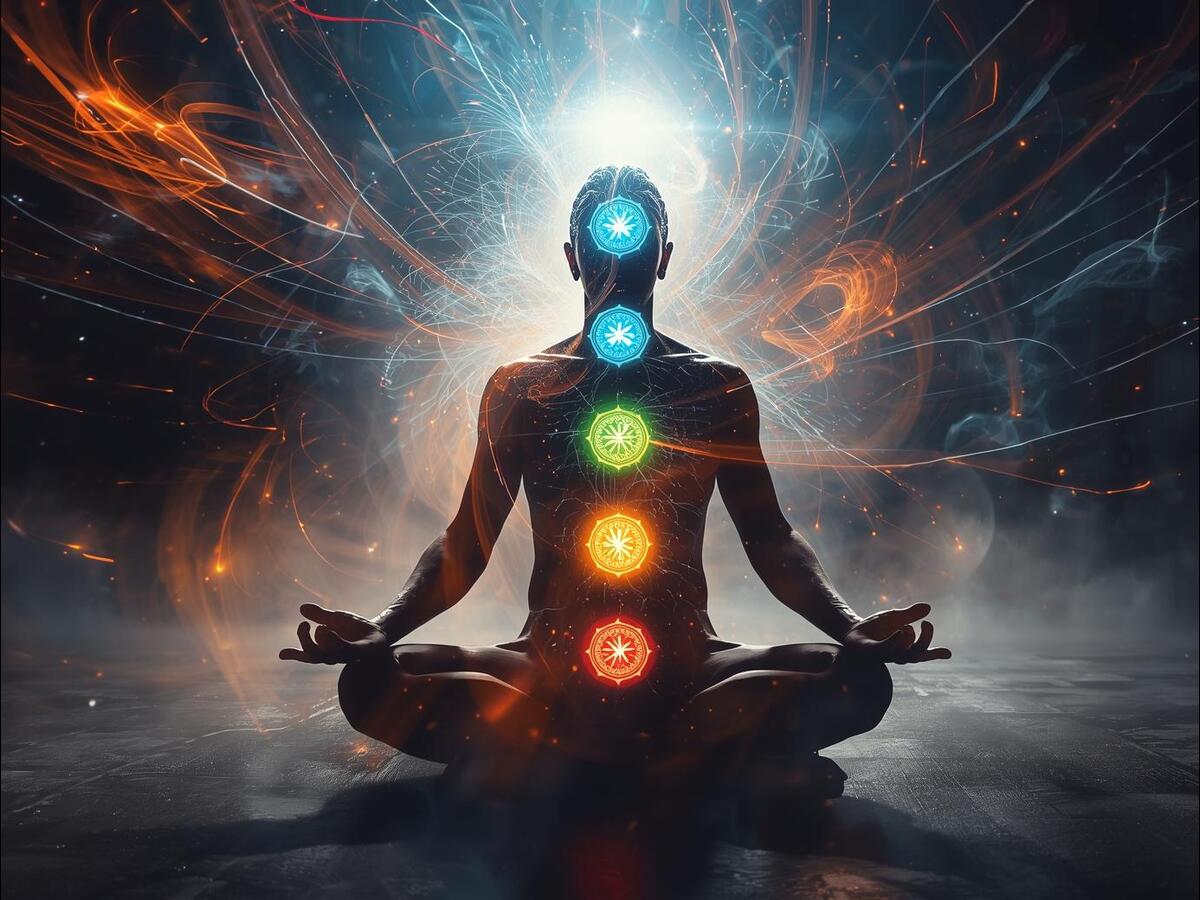
Understanding how Reiki fits with the body’s natural energy systems can make the experience more meaningful. It aligns closely with the concept of chakras and meridians, familiar terms in other types of energy healing. Reiki sessions often involve laying hands on or over the body to clear energy blockages, which can help in restoring harmony.
If you’re new to this, it might seem a bit mystical, but that’s all part of what makes it intriguing. Exploring Reiki is about appreciating this ancient art with open-minded curiosity. Embracing its philosophy could offer new insights into how we view health and wellness.
Decoding the Reiki Experience: What to Expect
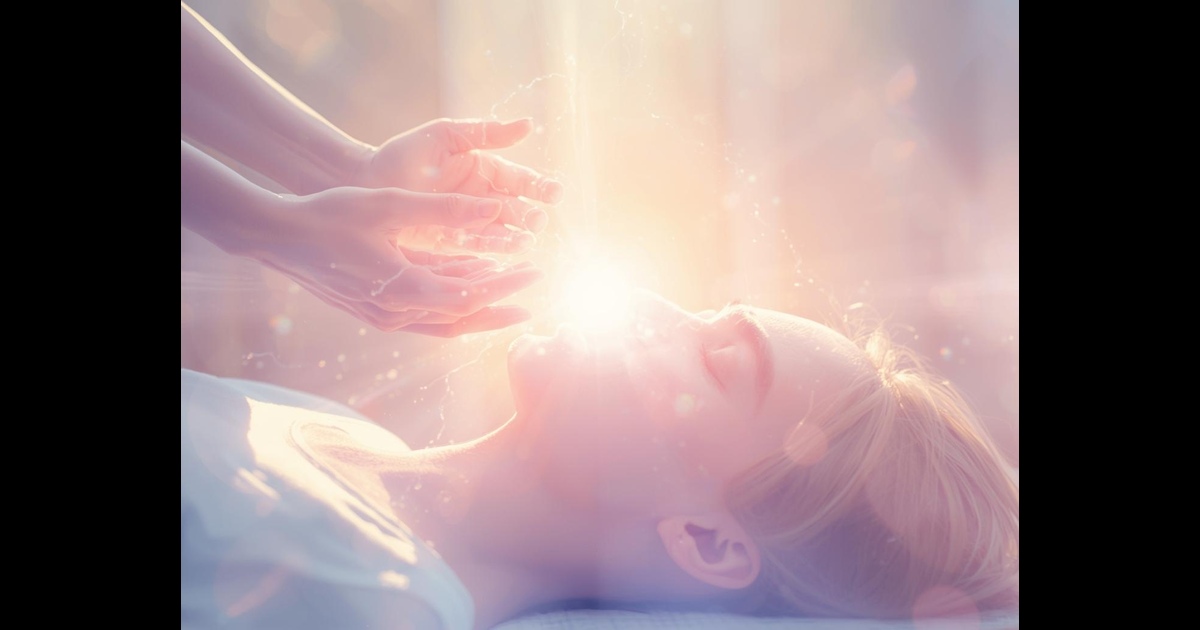
Walking into a Reiki session for the first time might stir up a mix of curiosity and uncertainty. It’s helpful to know what usually happens. Typically, a Reiki session involves lying down fully clothed, in a calm, quiet environment where the practitioner gently places their hands on or slightly above different parts of your body.
There’s quite a variety in Reiki practices, reflecting different schools of thought that have emerged over time. From traditional Usui Reiki to more modern adaptations like Karuna Reiki, each has its own unique approach to healing. Exploring these variations can be part of your journey in discovering what resonates with you.
During a session, some people experience physical sensations such as warmth or tingling, while others may feel emotional shifts. It’s perfectly normal to encounter these responses as the energy works its way through blockages. It’s helpful to enter a session willing to pay attention to subtle cues from your body and mind.
Every session can vary significantly from person to person, and even from one session to the next for the same individual. This unpredictability is part of Reiki’s charm, making it a unique path to self-discovery.
Navigating the Benefits: Physical, Emotional, and Spiritual Healing
Reiki can offer a range of benefits that touch on physical, emotional, and spiritual levels. Physically, it’s known for helping with relaxation, pain relief, and boosting the body’s healing processes. It doesn’t replace medical treatment but complements it by supporting overall wellness.
On an emotional level, Reiki helps quiet the mind and reduce stress. It’s not uncommon for regular sessions to bring a sense of calm and clear mental clutter. For some, this translates into improved focus and a renewed sense of vitality.
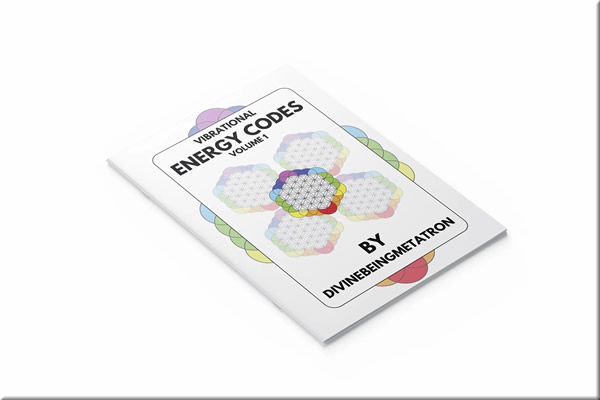
Unlock the power of manifestation with the Vibrational Energy Codes—your personal key to infusing intentions meticulously crafted to support you on your life's journey.

Spiritually, Reiki can deepen personal insights and bring about a more apparent connection to the self. Many people find that it encourages gentle reflection on their spiritual journey, helping them align more closely with their inner beliefs and values.
These benefits don’t appear instantly but unfold over time with consistent practice. Approaching each session with openness and patience helps maximize what you might gain. While results vary, keeping a journal of your experiences can be a helpful way to monitor and reflect on your progress in this healing journey.
Exploring the Mind-Body Connection Through Reiki Healing
Reiki is a complementary healing practice that emphasizes the profound relationship between mental health and physical well-being. At its core, Reiki operates on the principle that energy flows through the body, influencing both mental states and physical health. Practitioners believe that by channeling universal life energy, they can release emotional blockages, reduce stress, and promote relaxation, thereby enhancing overall wellness.
One of the key concepts in Reiki is the transfer of energy and its relationship to the body’s chakras. Chakras are energy centers that play a crucial role in maintaining the body’s energy balance. When these chakras are aligned and functioning correctly, individuals can experience harmony and resilience against mental and physical ailments. However, blockages or imbalances can lead to disruptions, manifesting as stress, anxiety, or even physical illness. Reiki seeks to restore this balance, ultimately fostering a sense of well-being.
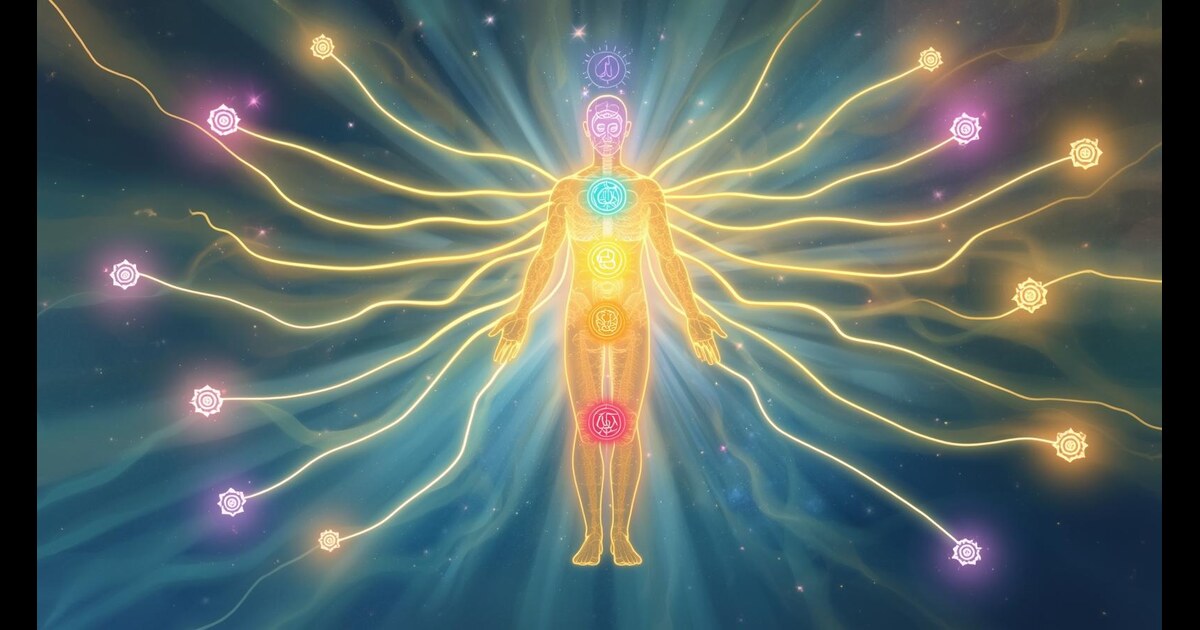
Beyond addressing health issues, Reiki also serves as a profound tool for spiritual growth and personal development. Many individuals seeking Reiki treatments report heightened levels of mindfulness and self-awareness. The practice encourages individuals to explore their inner selves, facilitating personal transformation and spiritual awakening. As practitioners learn to connect with their energy, they often find clarity and purpose in their lives.
In conclusion, the practice of Reiki offers unique insights into the mind-body connection, showcasing the intricate relationship between our mental state and physical health. By promoting energy balance and encouraging self-discovery, Reiki not only supports healing but also fosters a journey toward spiritual enrichment and overall well-being. Whether you are seeking relief from stress or striving for personal growth, Reiki can be a valuable ally on your path to holistic health.
Becoming a Reiki Practitioner: Training and Certification
Pursuing Reiki training is a journey in itself, offering more profound understanding and skill development. The training is divided into levels, often called degrees, starting with the basics at Level 1, where you’ll learn how to give Reiki to yourself and others. As you progress to Level 2, you’ll discover advanced techniques and symbols used for focused energy work.
Training programs may vary, but core elements usually include energy practice, meditation, and, sometimes, anatomy basics. Certification isn’t mandatory for personal practice, but it sets a professional standard if you’re considering offering Reiki to others. Understanding the types of programs available, from online courses to in-person workshops, can help you choose what fits best with your learning style and goals.
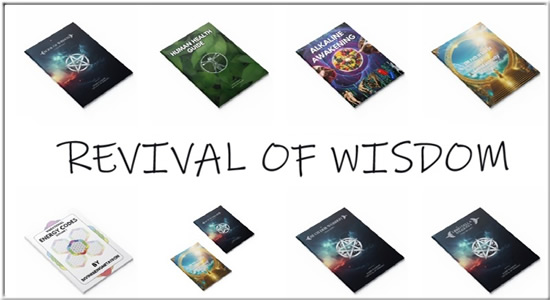
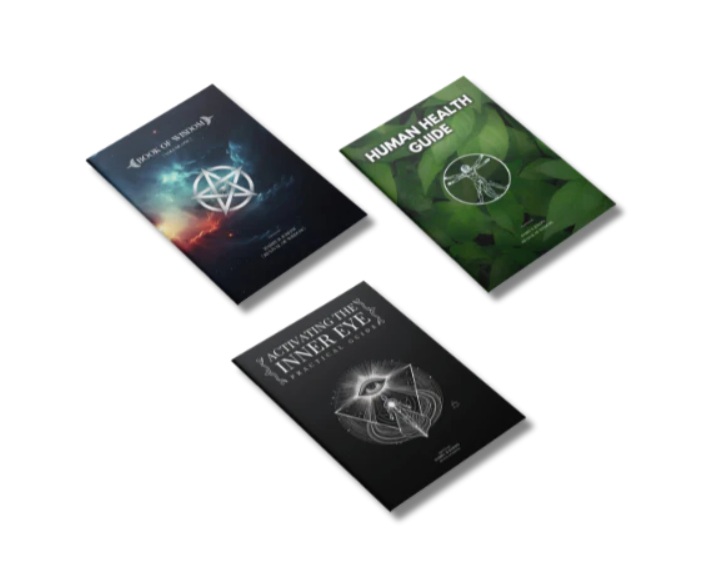
This ebook offers remarkable tips, hacks, and insights for better health beyond the confines of mainstream medicine, including fasting methods, the benefits of alkaline herbs, and much more.
Connecting with seasoned practitioners can provide valuable insights into the realities of practice. They often share experiences about personal growth or challenges they faced along the way. Listening to these stories can be inspiring and offer practical advice on navigating your path.
Discover Our Featured Articles: Esoteric Wisdom: Ancient Teachings & Inner Awakening
Becoming a practitioner is more than just completing a course; it’s about continuously learning and deepening your connection to the energy. Continuing education, attending Reiki shares, or simply practicing regularly are ways to keep evolving in your Reiki journey.
This topic is part of the broader Esoteric Wisdom framework, where ancient symbolic systems, consciousness studies, and hidden philosophical traditions are explored in depth.
Related Topics